
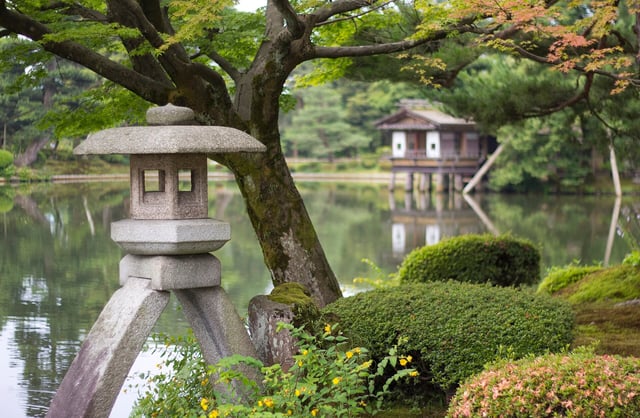
Japan's 36 Special Places of Scenic Beauty · 日本の特別名勝
24 gardens and 12 landscapes, from Hiraizumi to Okinawa.
Iwate · Tokyo · Ishikawa · Fukui · Kyoto · Nara · Okayama · Kagawa · Okinawa · Aomori · Akita · Miyagi · Toyama · Yamanashi · Shizuoka · Nagano · Wakayama · Mie · Hiroshima · Saga · Nagasaki
Japan's Special Places of Scenic Beauty (特別名勝), collected as 36 independent places to explore. Red marks gardens; green marks landscapes. Bilingual names and representative map points follow TimeToJapan's list. Descriptions summarize the background references recorded in the import data. Photos are from Wikimedia Commons, with photographer, source and license in each caption. List: https://www.timetojapan.com/lists/special-places-of-scenic-beauty
Place 1
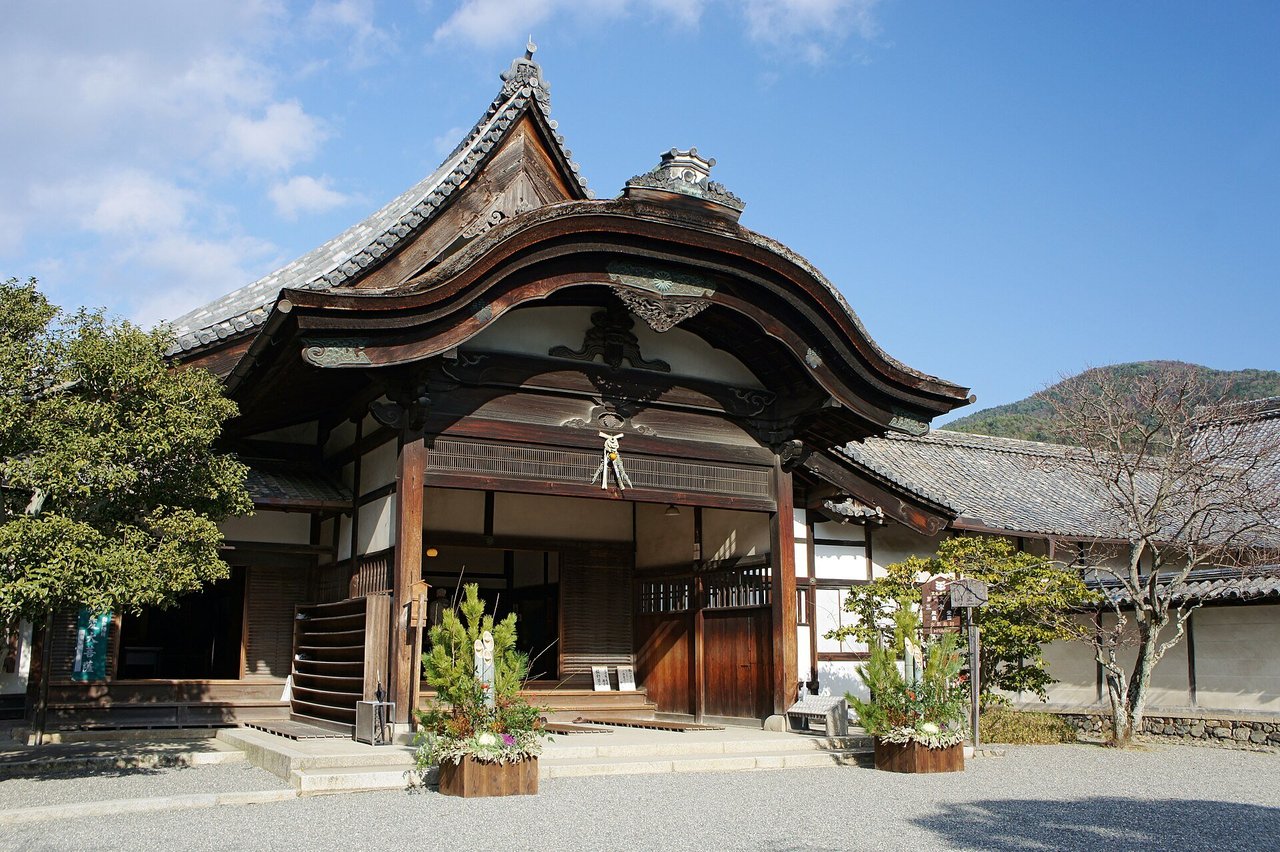
Daigo-ji Sanbo-in Garden · 醍醐寺三宝院庭園
Garden · Kyoto, Japan Sanbo-in's garden at Daigo-ji is closely associated with Toyotomi Hideyoshi's cherry-blossom gathering of 1598. A pond, bridges and elaborate stone arrangements create a Momoyama-period composition intended to be appreciated from the temple buildings.
TimeToJapan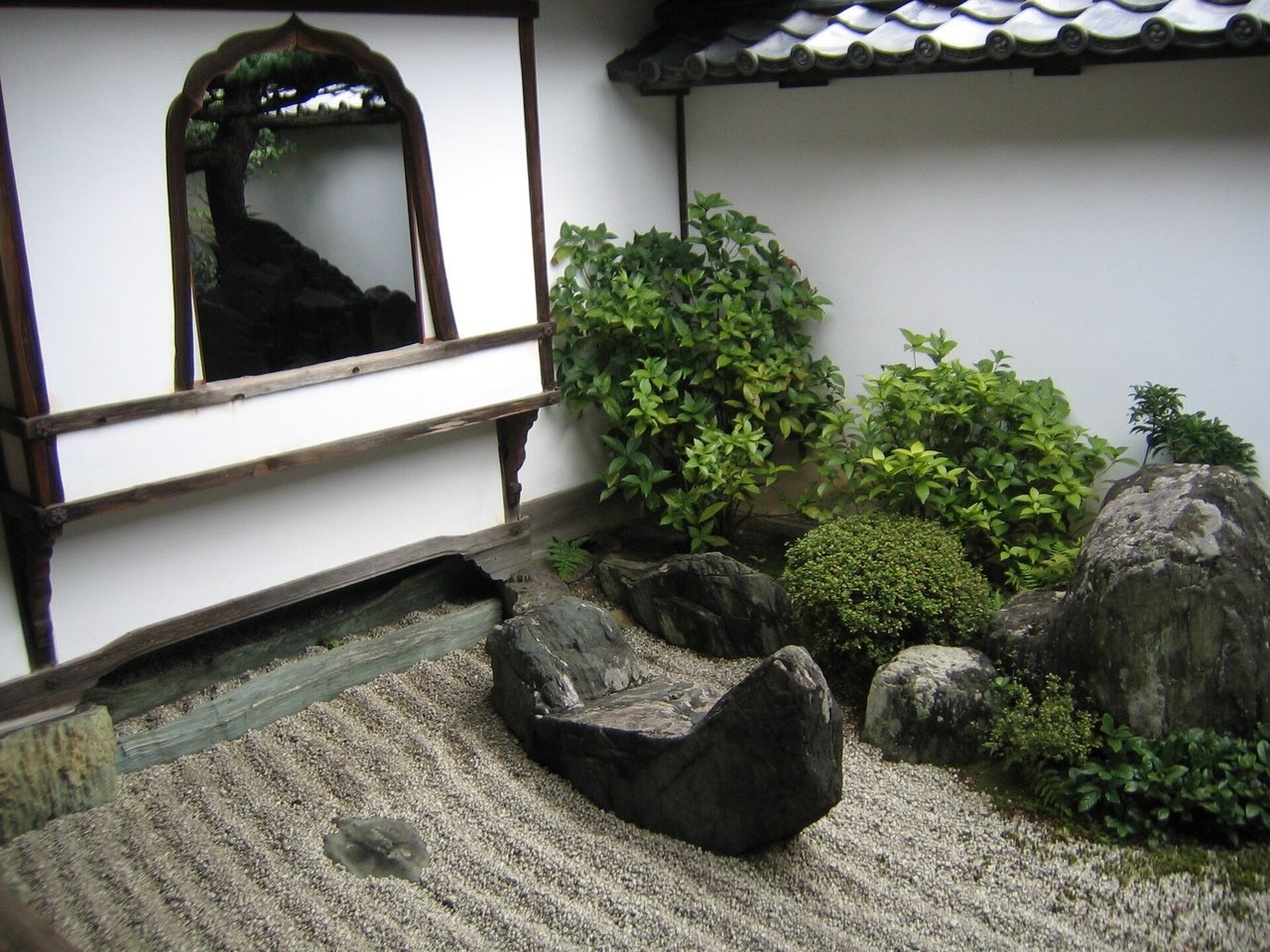
Place 2
Daisen-in Shoin Garden · 大仙院書院庭園
Garden · Kyoto, Japan A compact dry landscape garden at a subtemple of Kyoto's Daitoku-ji complex. Stones and gravel suggest a mountain landscape and flowing water, expressing the visual language of Zen gardens beside halls dating from the early sixteenth century.
TimeToJapan
Place 3
Daitokuji Hojo Garden · 大徳寺方丈庭園
Garden · Kyoto, Japan The gardens adjoining Daitoku-ji's abbot's quarters are distinct from those of the surrounding subtemples. Their dry landscape compositions belong to one of Kyoto's major Zen institutions, whose gardens and buildings have long been associated with tea culture. The main temple compound is normally closed to the public; access to nearby subtemples is separate.
TimeToJapan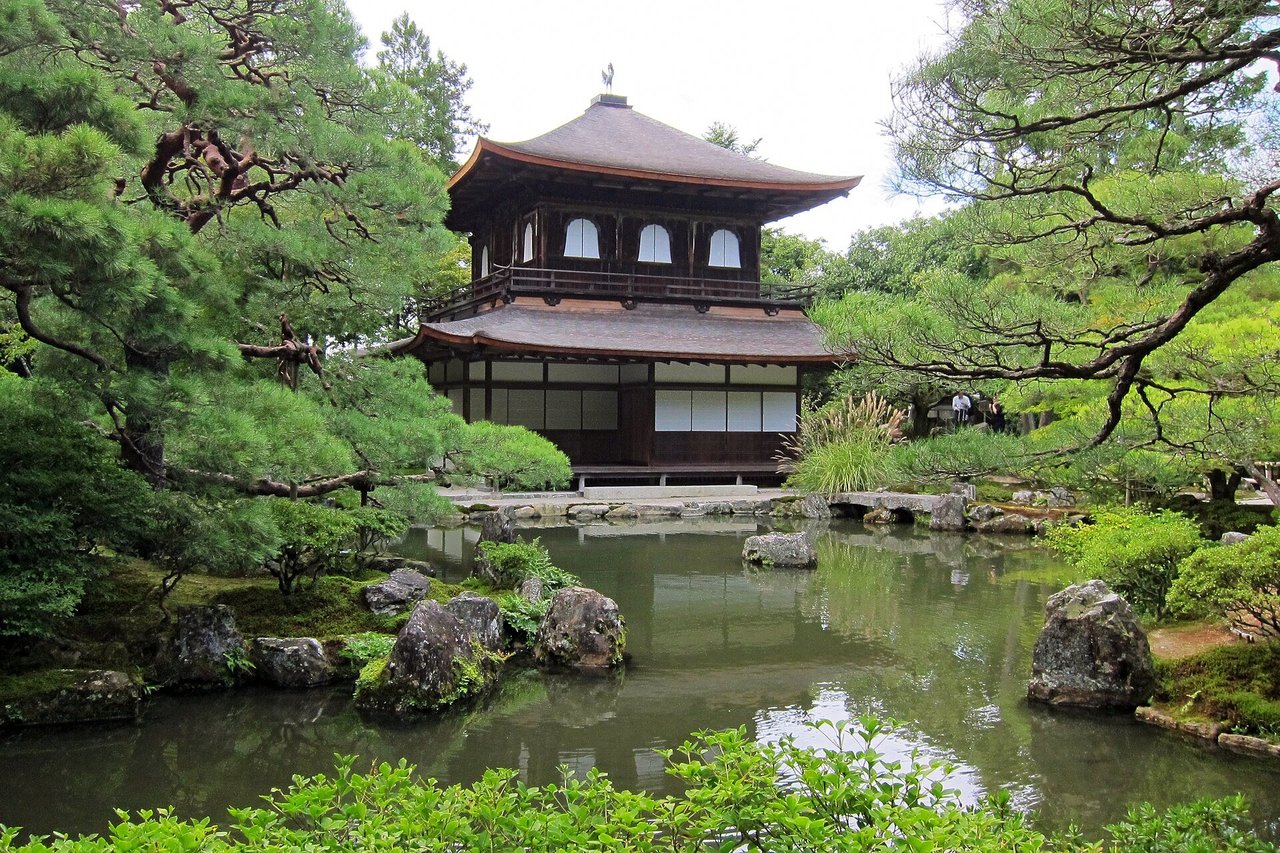
Place 4
Ginkaku-ji (Jisho-ji) Garden · 慈照寺(銀閣寺)庭園
Garden · Kyoto, Japan The gardens of Ashikaga Yoshimasa's former retreat combine a pond and wooded hillside with striking areas of raked sand. The Silver Pavilion and surrounding landscape reflect the Higashiyama culture of late medieval Kyoto.
TimeToJapan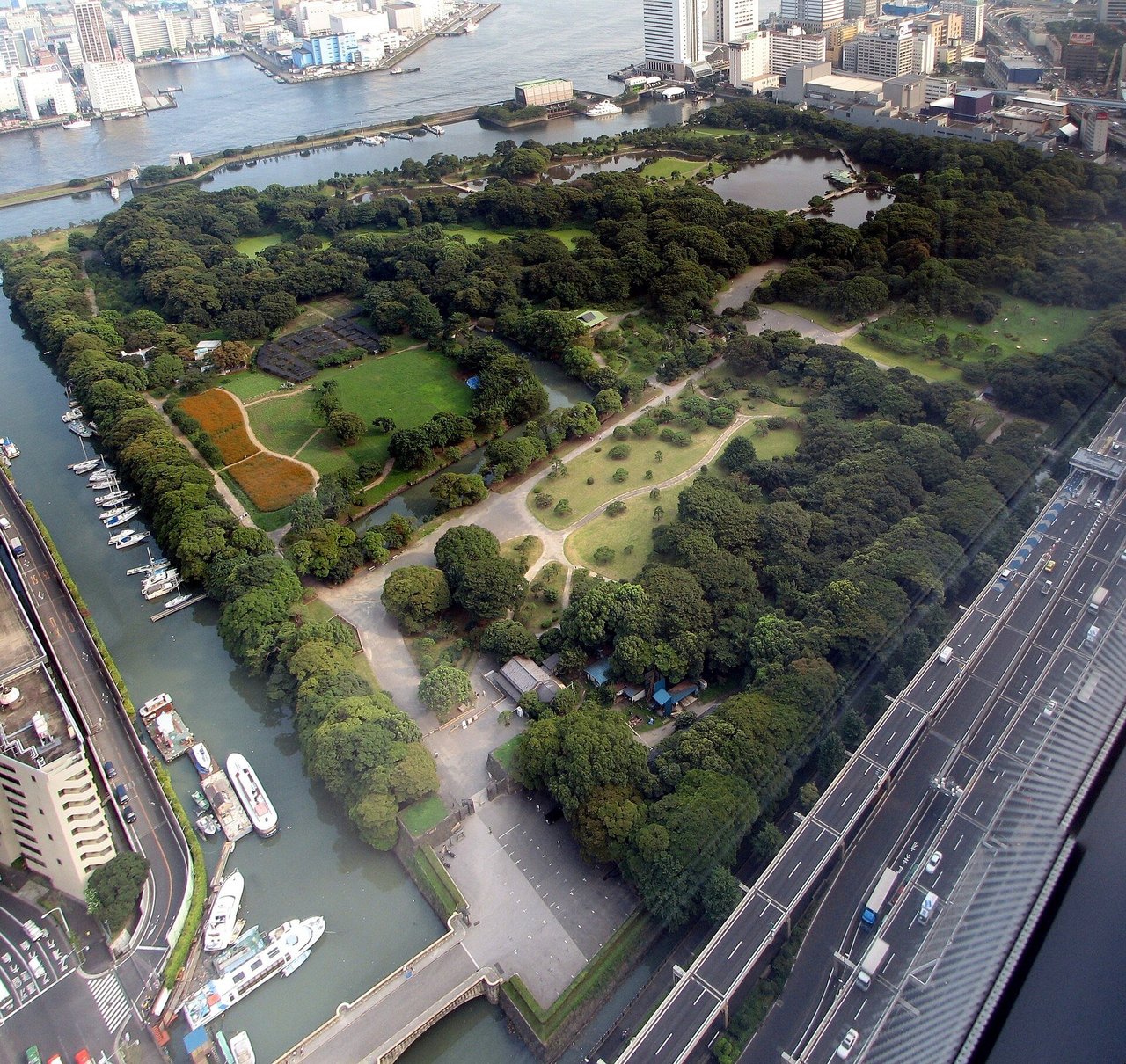
Place 5
Hama-rikyu Gardens · 旧浜離宮庭園
Garden · Tokyo, Japan A former Tokugawa seaside estate at the mouth of the Sumida River, distinguished by a tidal pond connected to Tokyo Bay. Bridges lead to a teahouse on an island, while flowering fields and historic hunting grounds sit beneath the modern city skyline.
TimeToJapan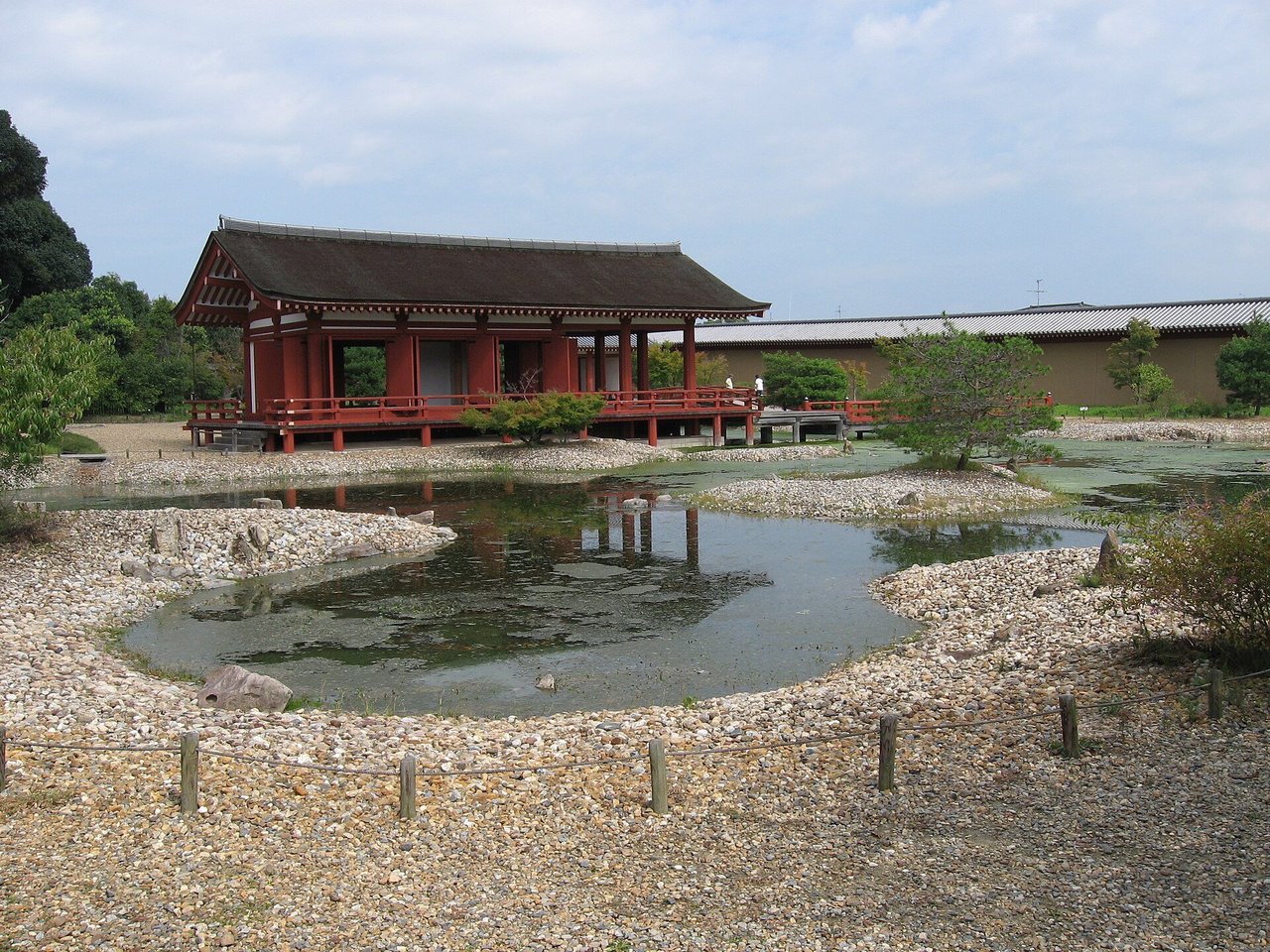
Place 6
Heijo Palace East Palace Garden · 平城宮東院庭園
Garden · Nara, Japan Archaeological excavation revealed this garden at the southeast corner of the ancient imperial palace. Its curving pond and surrounding buildings were reconstructed in 1998, showing how a Nara-period court garden developed from Chinese models toward a Japanese landscape style.
TimeToJapan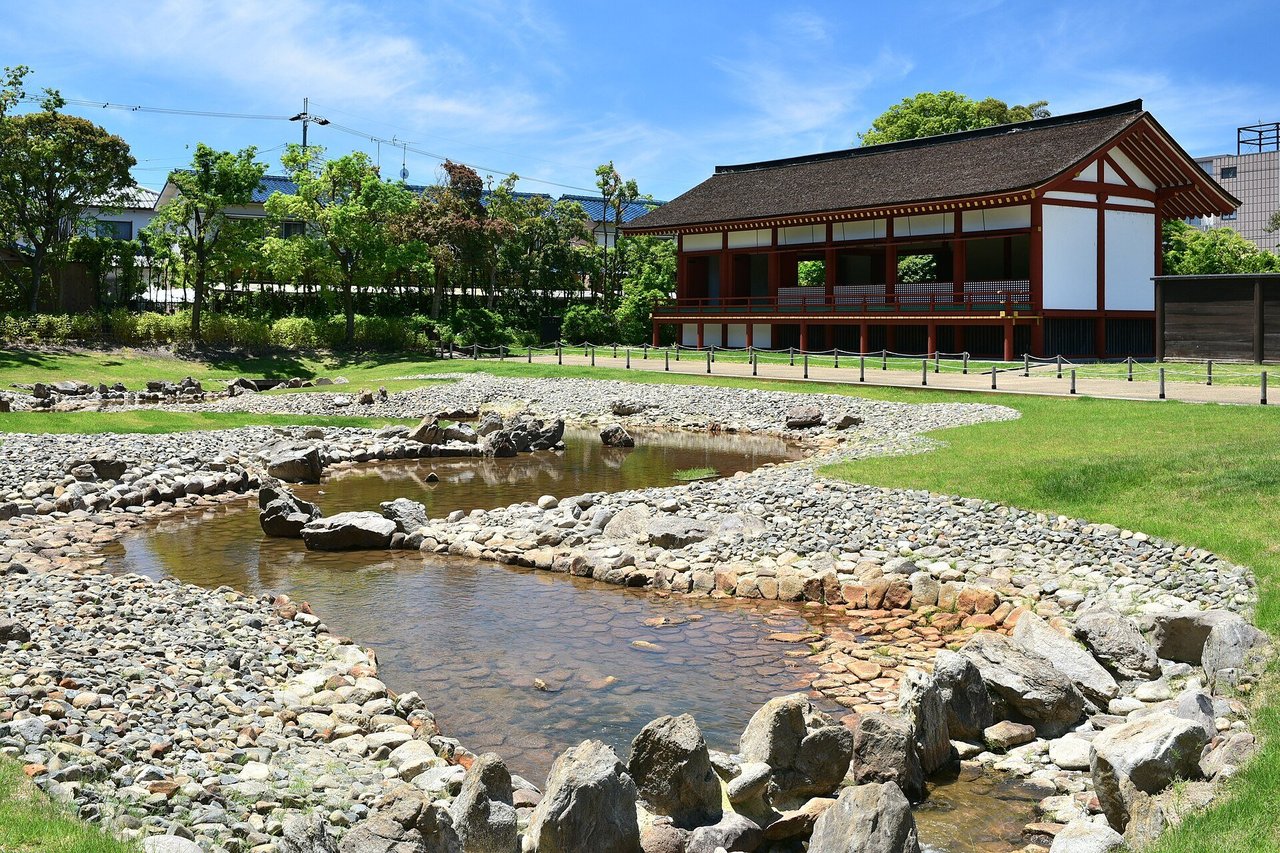
Place 7
Heijo-kyo Sakyo Sanjo Nibo Palace Garden · 平城京左京三条二坊宮跡庭園
Garden · Nara, Japan An excavated garden outside the ancient Nara palace preserves a winding, stone-paved watercourse lined with upright rocks. Thought to have served an official banqueting facility, the restored garden and building offer a rare view of eighth-century landscape design.
TimeToJapan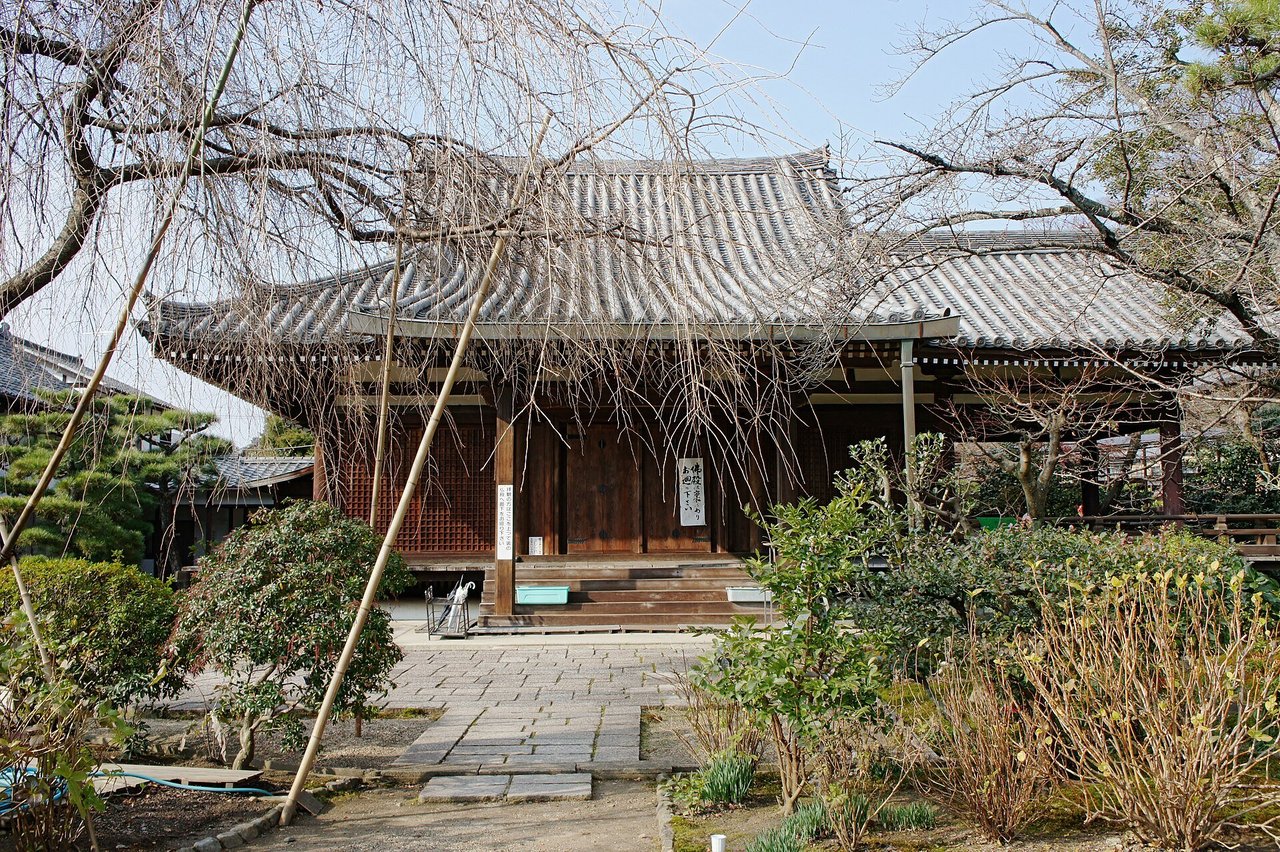
Place 8
Hokongo-in Seijo Waterfall · 法金剛院青女滝 附 五位山
Garden · Kyoto, Japan This twelfth-century temple garden preserves a substantial stone-built waterfall and the remains of a large pond landscape. The designated scenery includes Seijo Waterfall and the adjoining hill of Goi-yama, within the temple founded by Taikenmon-in.
TimeToJapan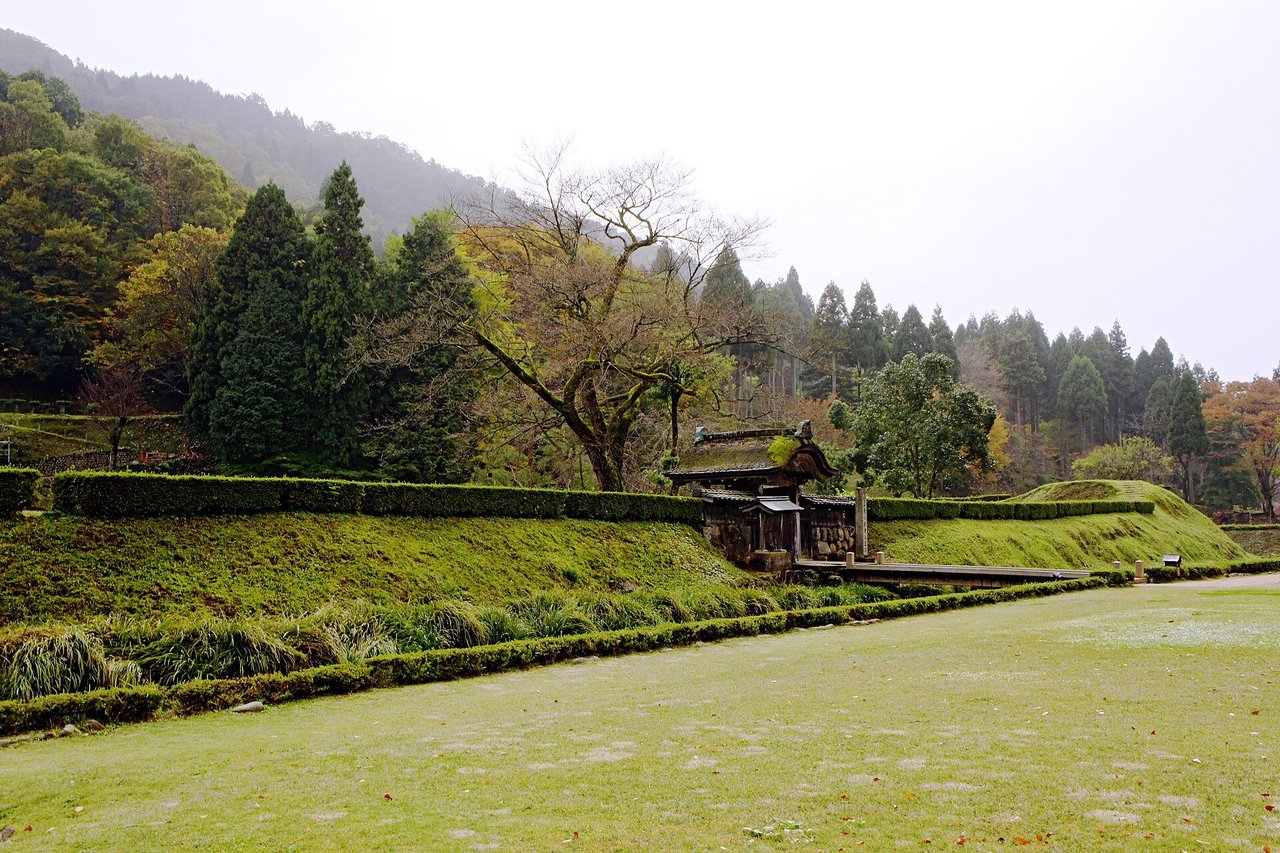
Place 9
Ichijodani Asakura Clan Gardens · 一乗谷朝倉氏庭園
Garden · Fukui, Japan Historic gardens remain among the excavated residences of the Asakura clan's former castle town. Rock arrangements and ponds preserve the landscape design of a powerful Sengoku-period family in the sheltered Ichijodani valley near Fukui.
TimeToJapan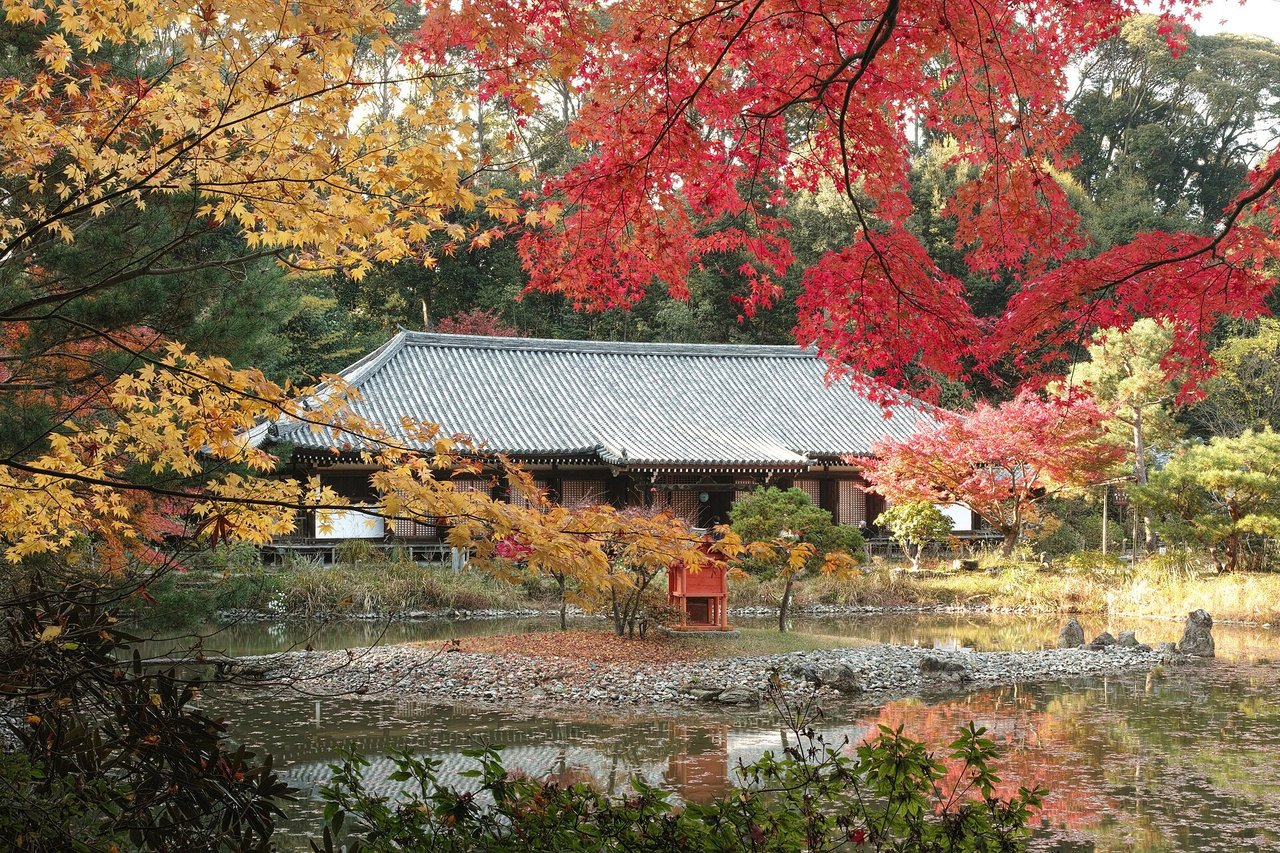
Place 10
Joruri-ji Garden · 浄瑠璃寺庭園
Garden · Kyoto, Japan A rare surviving Pure Land garden sets a pond between Joruri-ji's main hall and three-storey pagoda. The temple's nine Amida Buddha statues and the arrangement of buildings across the water express a Buddhist vision of paradise.
TimeToJapan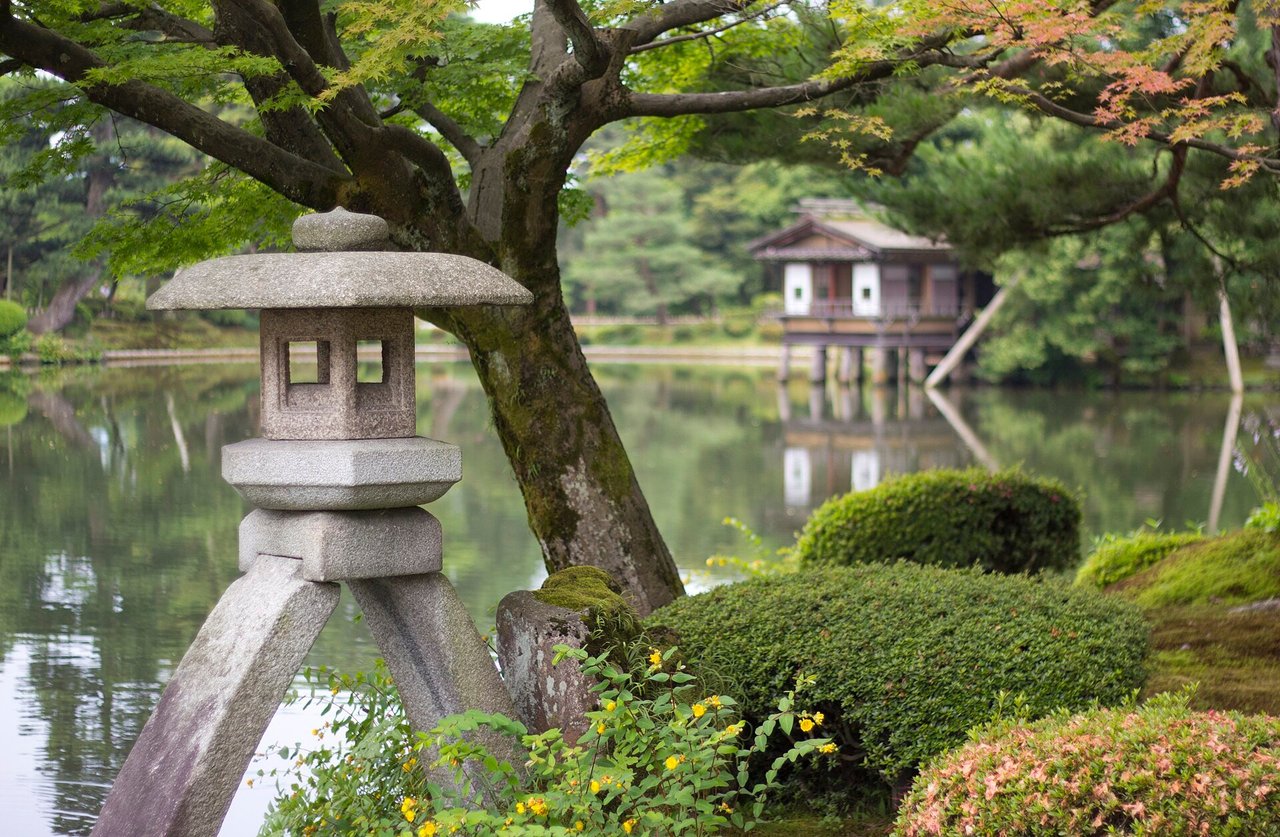
Place 11
Kenroku-en · 兼六園
Garden · Ishikawa, Japan The Maeda clan developed this strolling garden beside Kanazawa Castle over generations. Ponds, bridges, teahouses and an old fountain are arranged to combine the qualities celebrated in its name, the Garden of Six Attributes. It is counted among Japan's Three Great Gardens.
TimeToJapan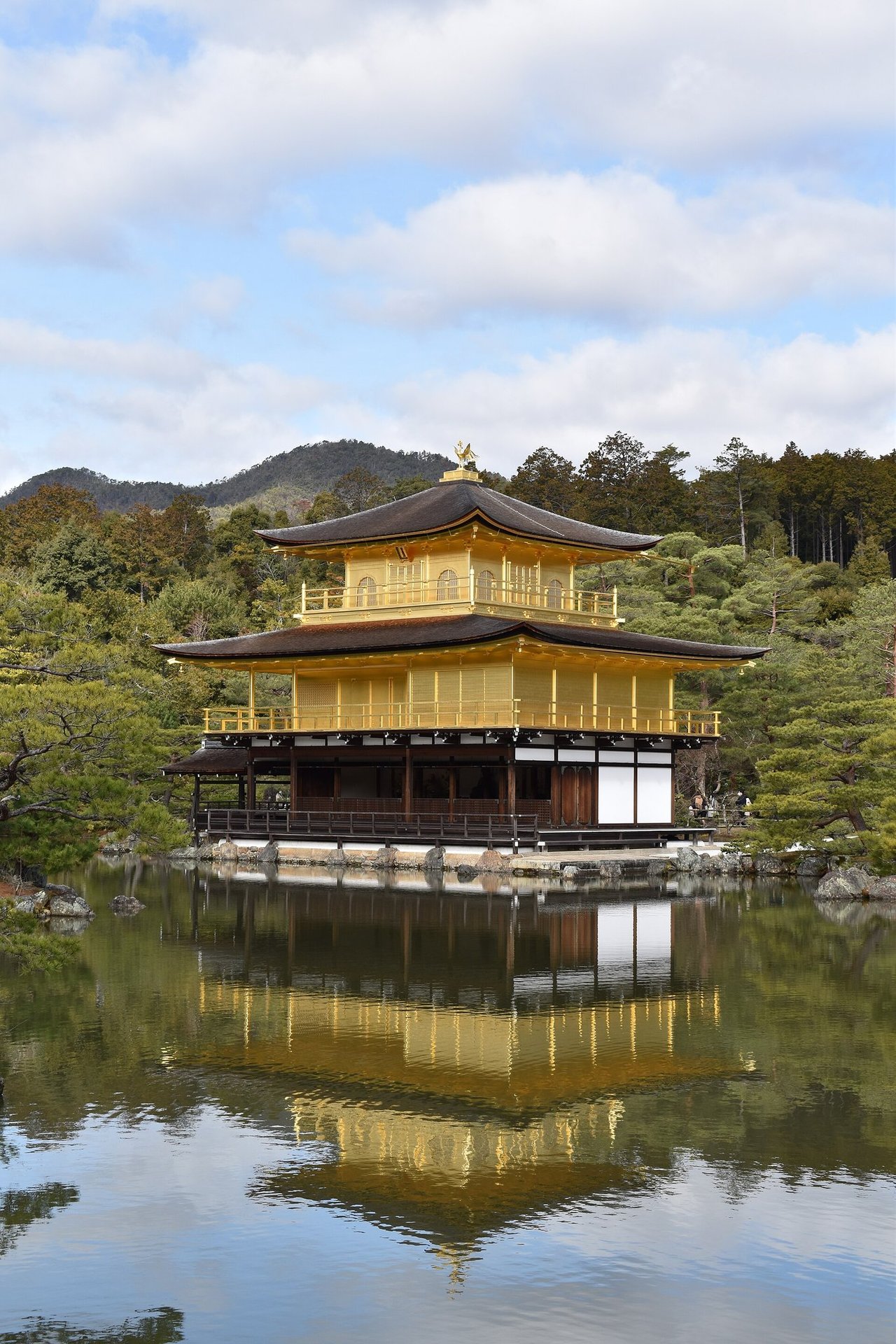
Place 12
Kinkaku-ji (Rokuon-ji) Garden · 鹿苑寺(金閣寺)庭園
Garden · Kyoto, Japan A pond garden surrounds Kyoto's Golden Pavilion, originally developed as Ashikaga Yoshimitsu's retirement estate. Islands, rocks and reflections make the pavilion part of a larger landscape. The temple belongs to the Historic Monuments of Ancient Kyoto World Heritage property.
TimeToJapan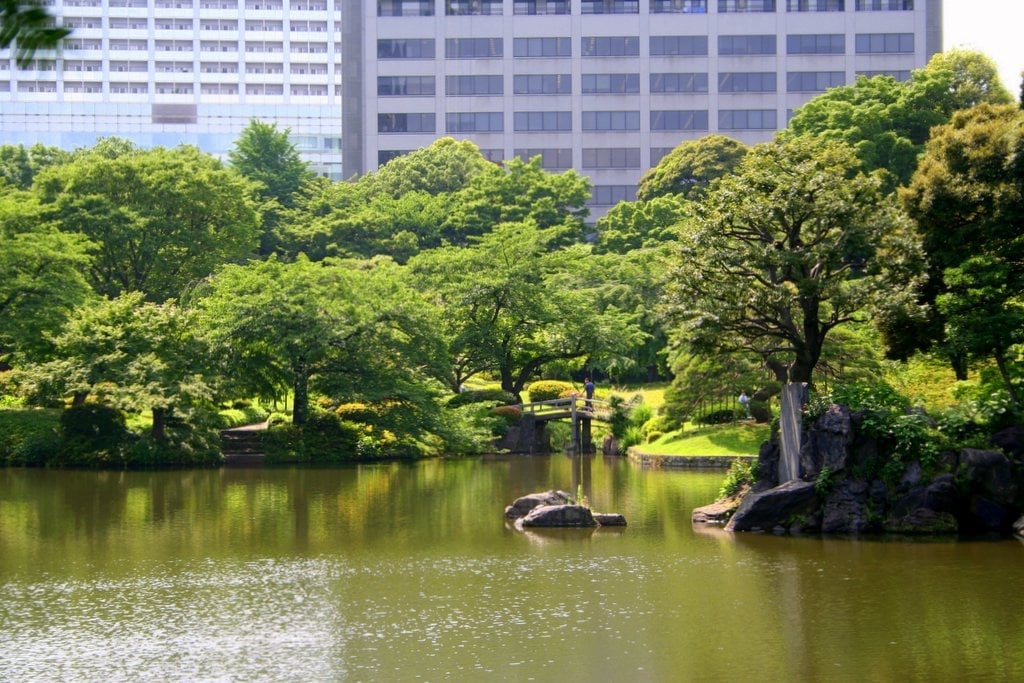
Place 13
Koishikawa Korakuen · 小石川後楽園
Garden · Tokyo, Japan One of Tokyo's surviving daimyo gardens, begun by Tokugawa Yorifusa and developed by his son Mitsukuni. Ponds, bridges and planting evoke celebrated landscapes in Japan and China, with the garden's name reflecting a Confucian ideal of public service.
TimeToJapan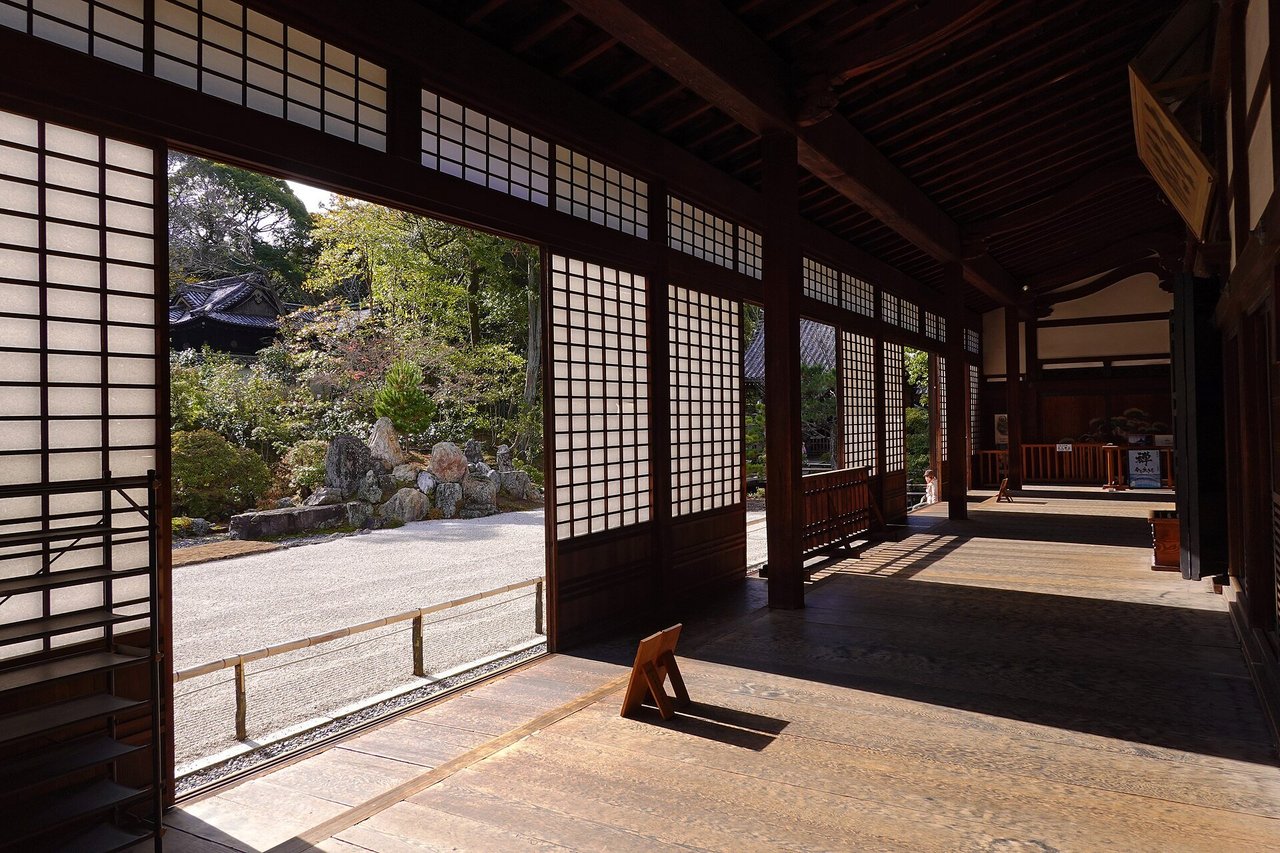
Place 14
Konchi-in Garden · 金地院庭園
Garden · Kyoto, Japan Konchi-in is a subtemple of Nanzen-ji, known for the garden designed by Kobori Enshu. The designated garden forms part of a Zen temple setting in eastern Kyoto.
TimeToJapan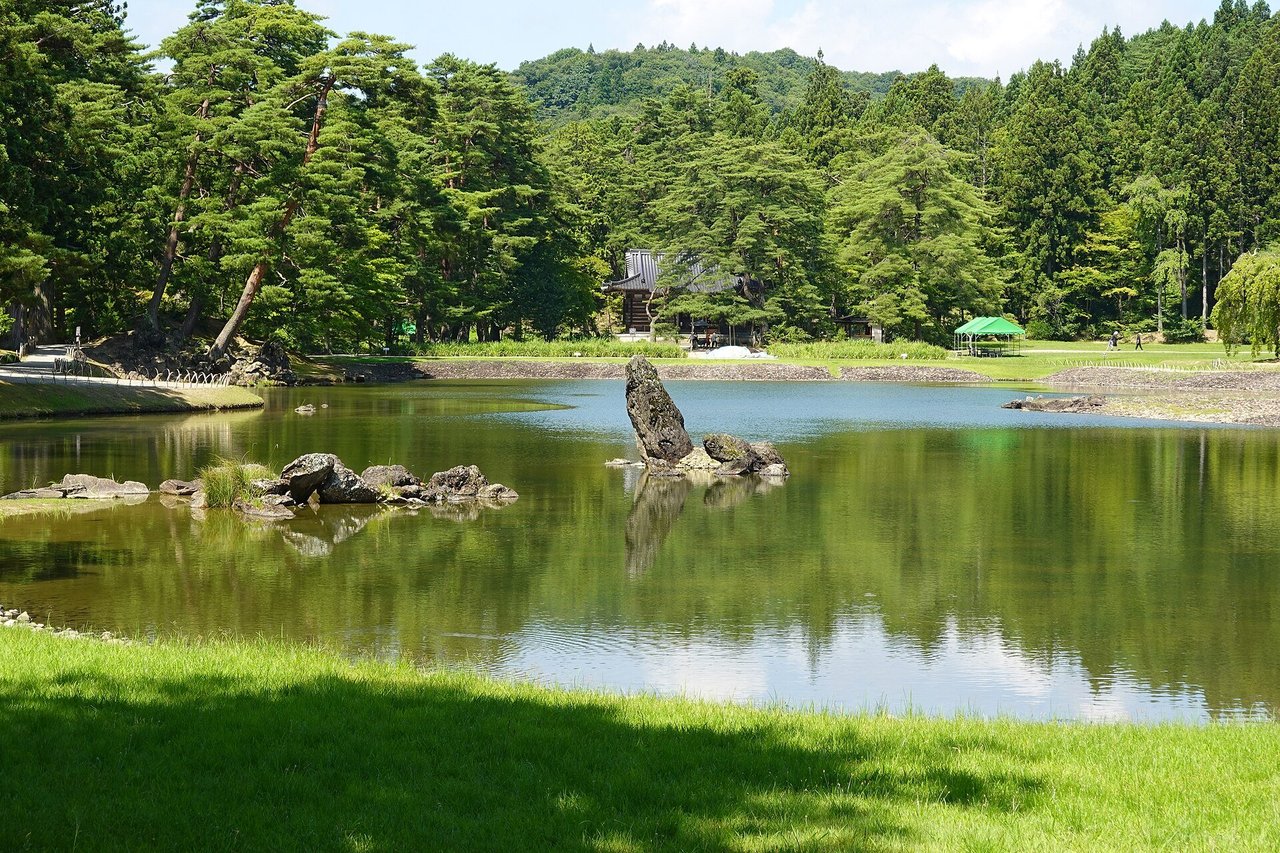
Place 15
Motsuji Garden, Hiraizumi · 毛越寺庭園
Garden · Iwate, Japan A Pure Land garden survives among the temple ruins at Hiraizumi, with a broad pond, islands and carefully arranged shoreline stones. It preserves the landscape of the Northern Fujiwara period and forms part of Hiraizumi's World Heritage property.
TimeToJapan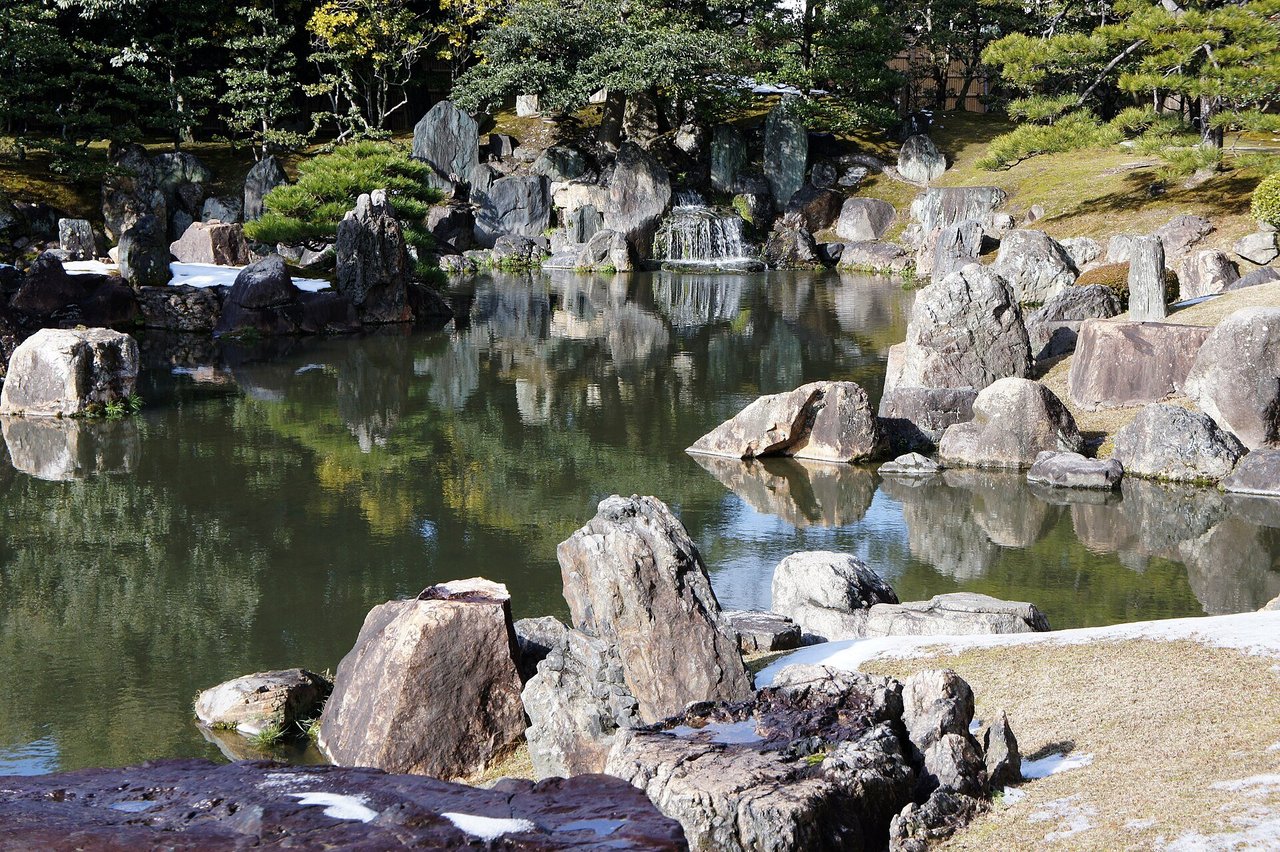
Place 16
Nijo Castle Ninomaru Garden · 二条城二之丸庭園
Garden · Kyoto, Japan The Ninomaru Garden stands beside its namesake palace within Nijo Castle. Designed by Kobori Enshu, it uses a large pond, three islands, carefully placed stones and shaped pines to create a formal landscape suited to the shogun's Kyoto residence.
TimeToJapan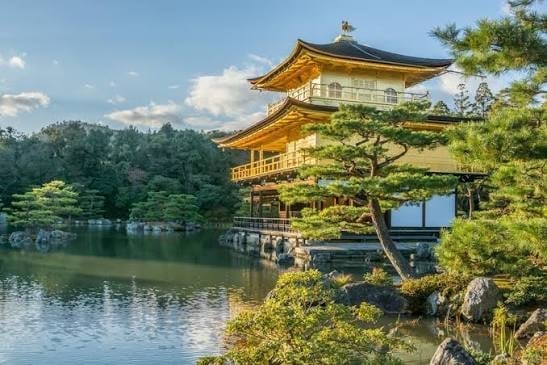
Place 17
Nishi Honganji Kokei Garden · 本願寺大書院庭園
Garden · Kyoto, Japan The Kokei Garden beside Honganji's Great Shoin represents waterfalls, rivers and the sea using rocks rather than water. Inspired by the Tiger Valley at China's Mount Lu, it borrows the roof of the Goeido hall as a distant mountain. The Great Shoin garden is normally closed; check the temple for special public openings.
TimeToJapan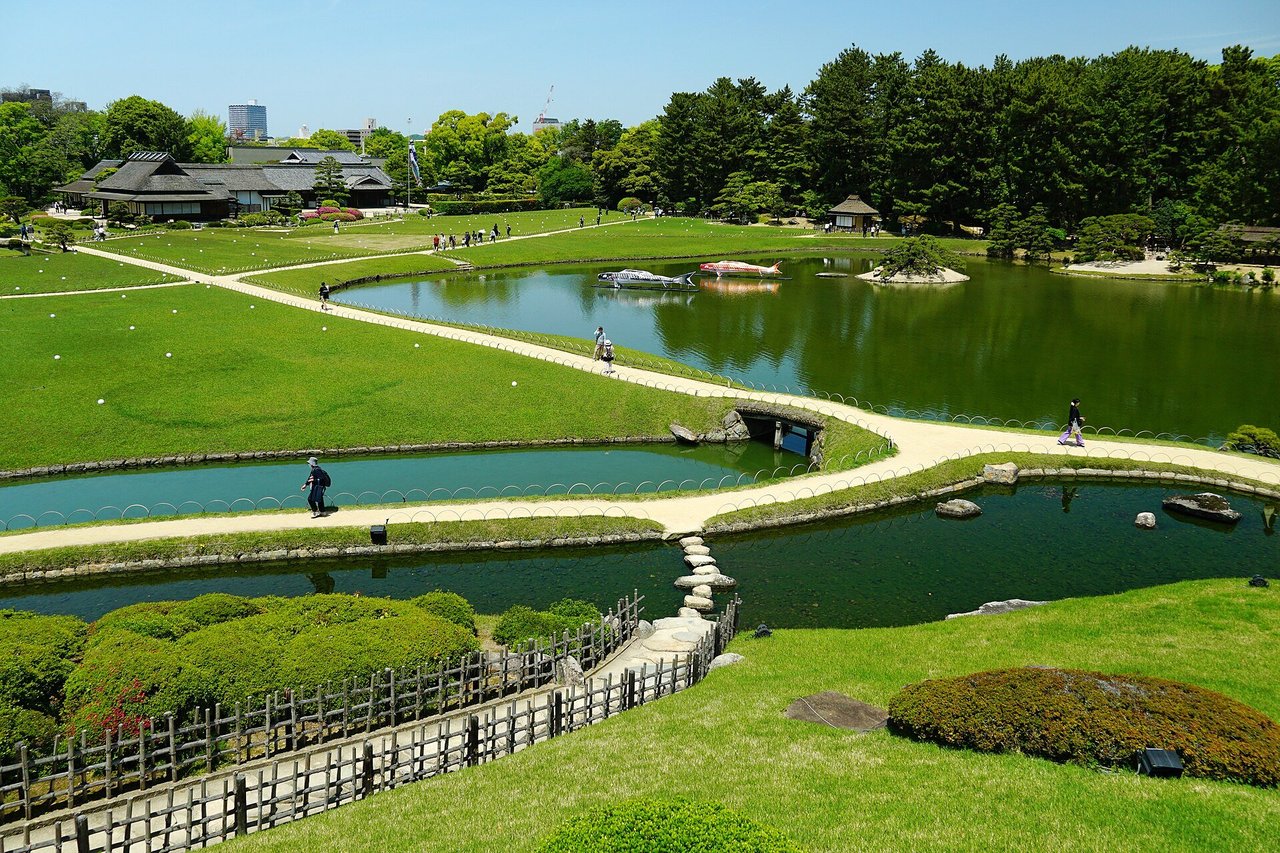
Place 18
Okayama Korakuen · 岡山後楽園
Garden · Okayama, Japan Built for the Ikeda lords of Okayama and completed in 1700, Korakuen is one of Japan's Three Great Gardens. Its extensive grounds preserve the character of a daimyo garden, with ponds, open lawns and carefully composed views.
TimeToJapan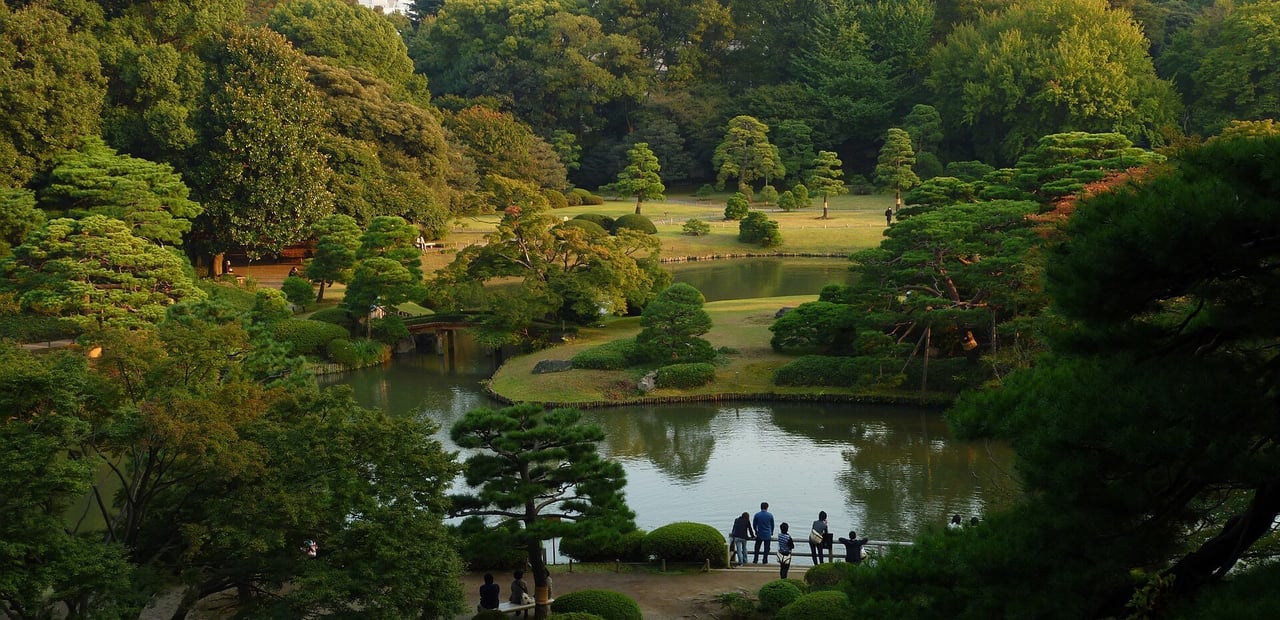
Place 19
Rikugien · 六義園
Garden · Tokyo, Japan Yanagisawa Yoshiyasu created this Edo-period strolling garden around a pond, wooded hills and scenes inspired by classical poetry. Its name refers to the six principles of poetry. The grounds later belonged to the Iwasaki family before becoming a public garden.
TimeToJapan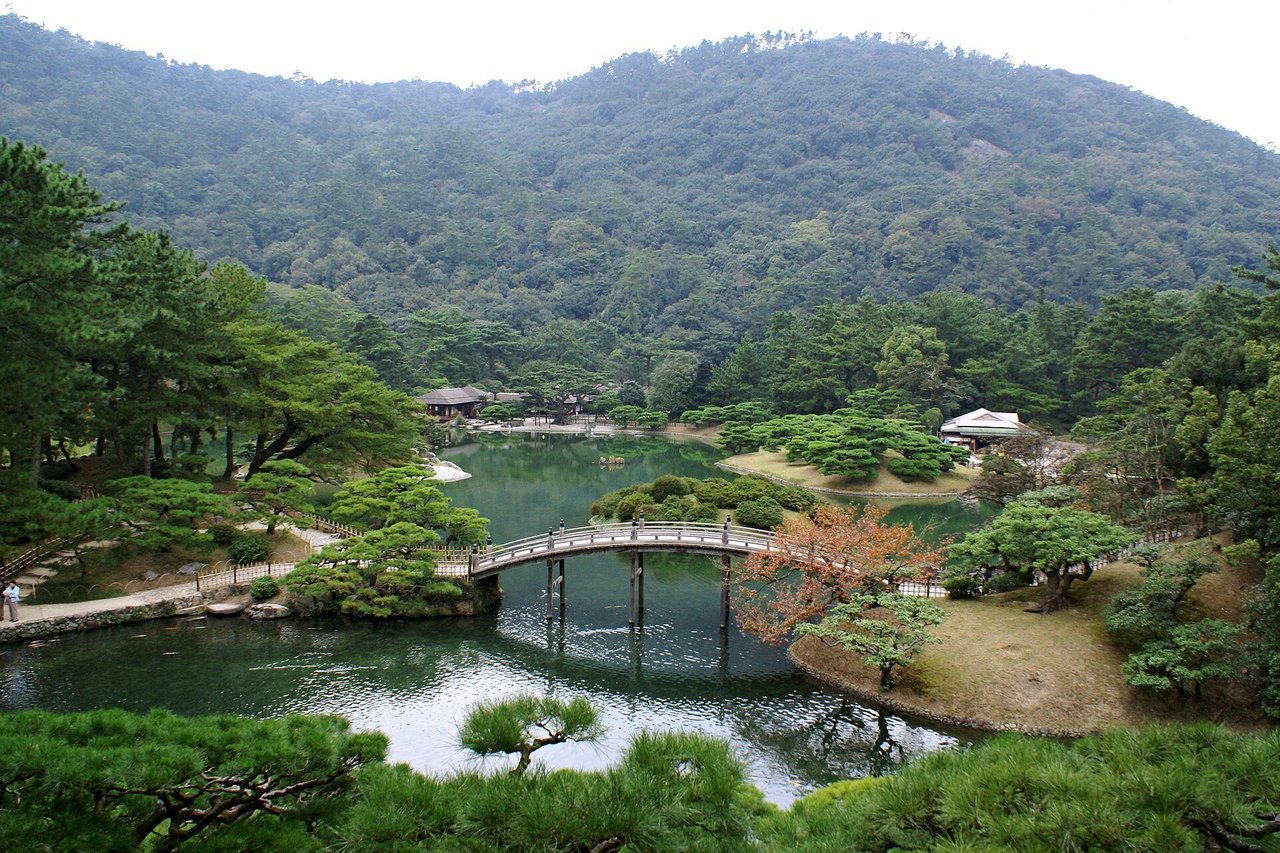
Place 20
Ritsurin Garden · 栗林公園
Garden · Kagawa, Japan A large strolling garden at the foot of Mount Shiun in Takamatsu, developed as a retreat for local feudal lords. Ponds, artificial hills, historic teahouses and shaped pines create changing views along the paths. It opened to the public in 1875.
TimeToJapan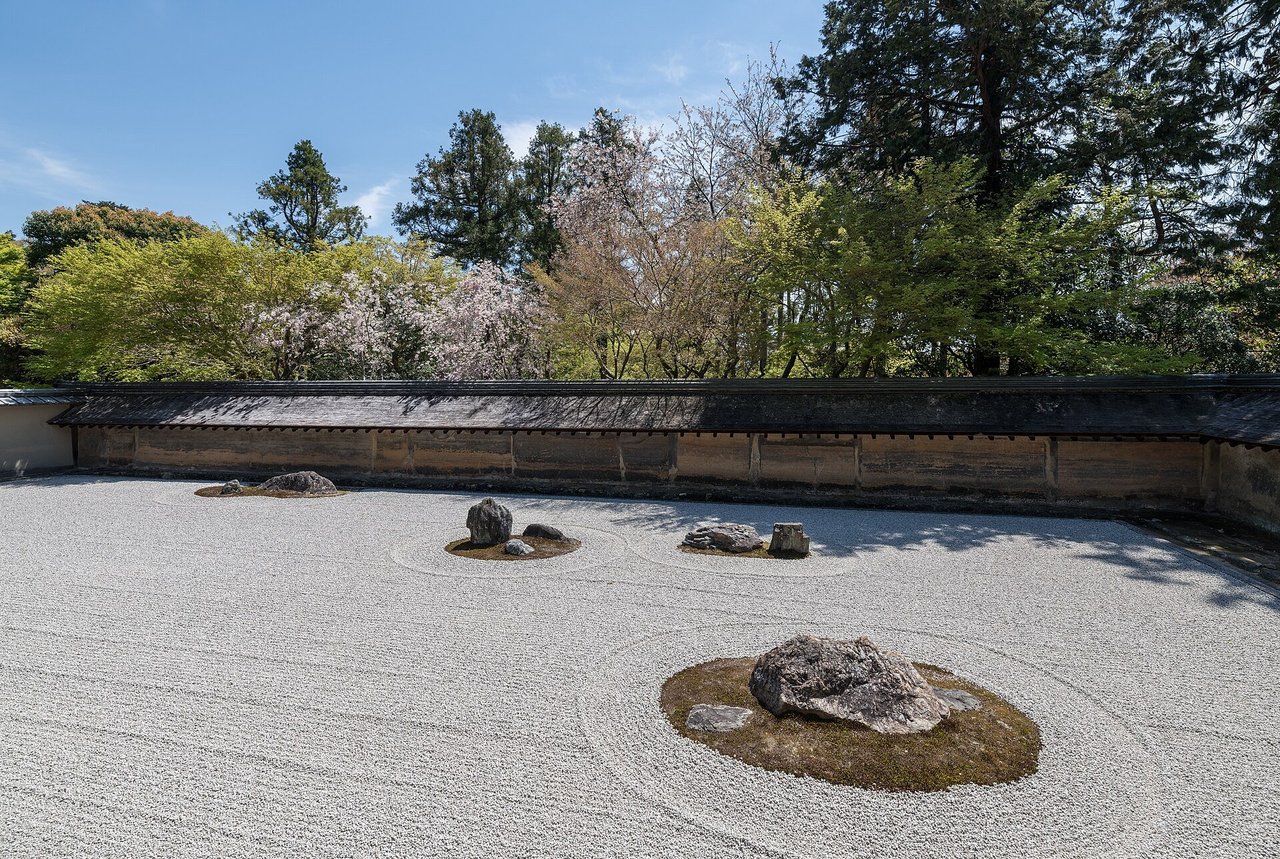
Place 21
Ryoan-ji Rock Garden · 龍安寺方丈庭園
Garden · Kyoto, Japan Fifteen rocks set in raked gravel form one of Japan's best-known dry landscape gardens. Viewed from the abbot's hall, the restrained arrangement contrasts with the larger temple grounds and their pond. Ryoan-ji is part of Kyoto's World Heritage property.
TimeToJapan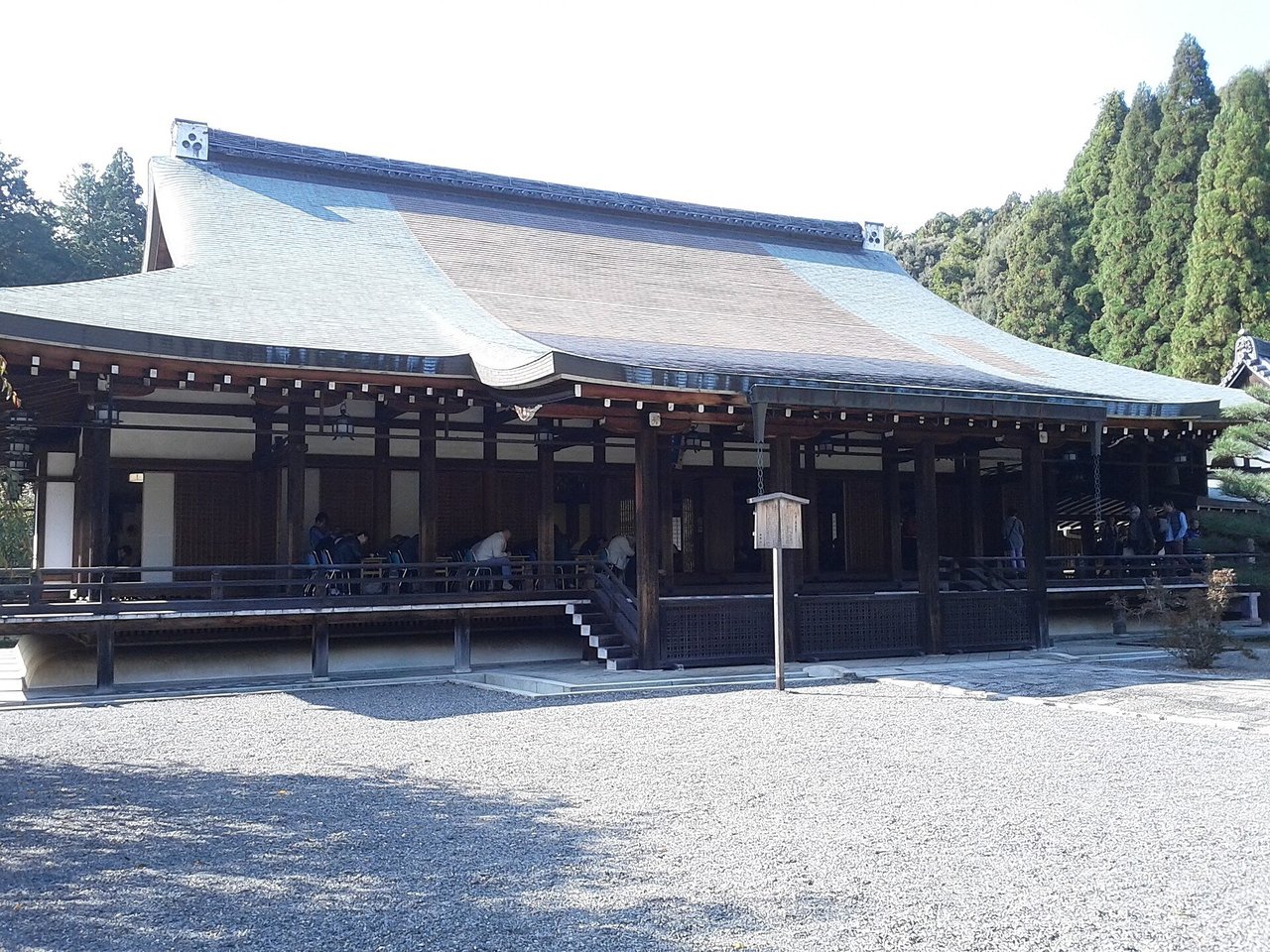
Place 22
Saihoji (Moss Temple) · 西芳寺庭園
Garden · Kyoto, Japan Known as the Moss Temple, Saihoji has a two-level garden with extensive moss-covered ground and a pond landscape. More than a hundred varieties of moss contribute different textures and shades of green. The temple is part of Kyoto's World Heritage property. Visits require advance arrangements with the temple.
TimeToJapan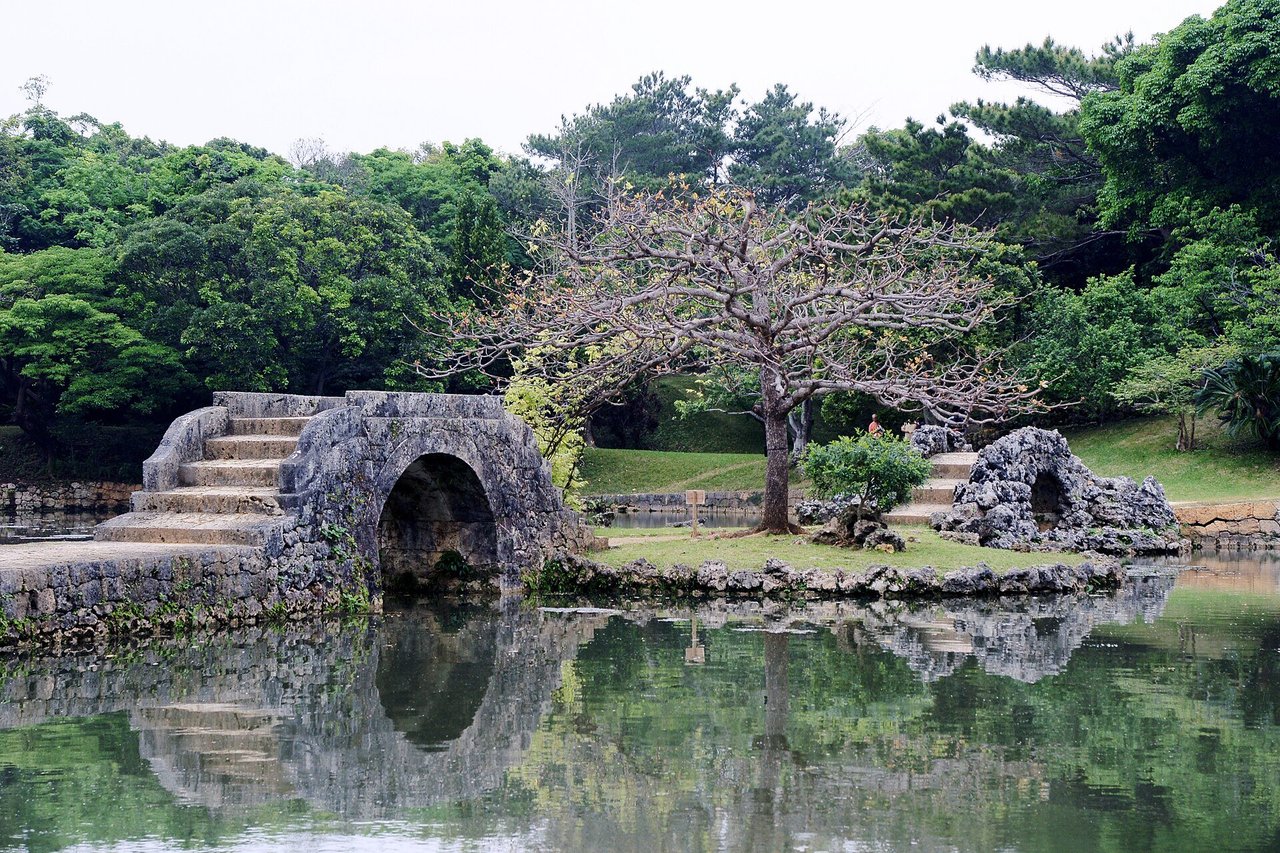
Place 23
Shikinaen · 識名園
Garden · Okinawa, Japan The Ryukyu royal family's residence garden blends Japanese strolling-garden design with Chinese bridges and a hexagonal pavilion. A pond with small islands anchors the grounds, which form part of the World Heritage property associated with the Ryukyu Kingdom.
TimeToJapan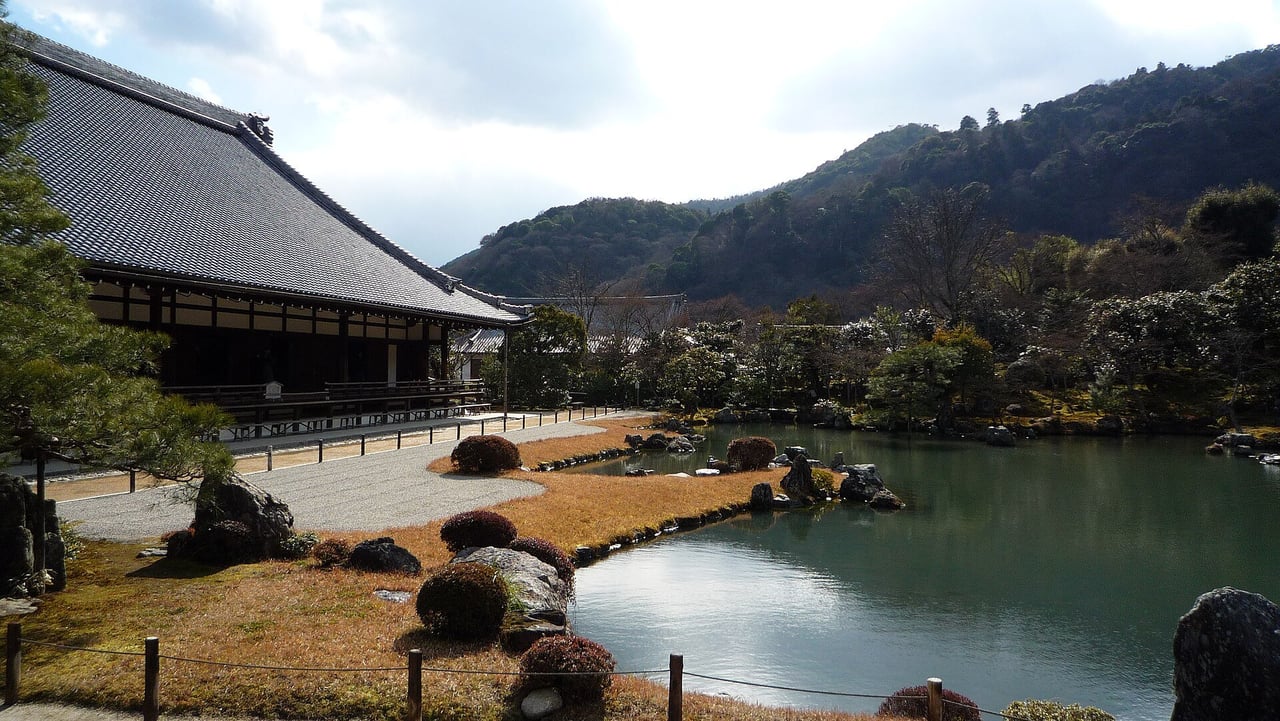
Place 24
Tenryu-ji Garden · 天龍寺庭園
Garden · Kyoto, Japan A pond garden associated with Zen master Muso Soseki lies behind the main halls of Tenryu-ji in Arashiyama. Rocks, water and the surrounding mountain scenery form a unified landscape at a temple founded by Ashikaga Takauji in the fourteenth century.
TimeToJapan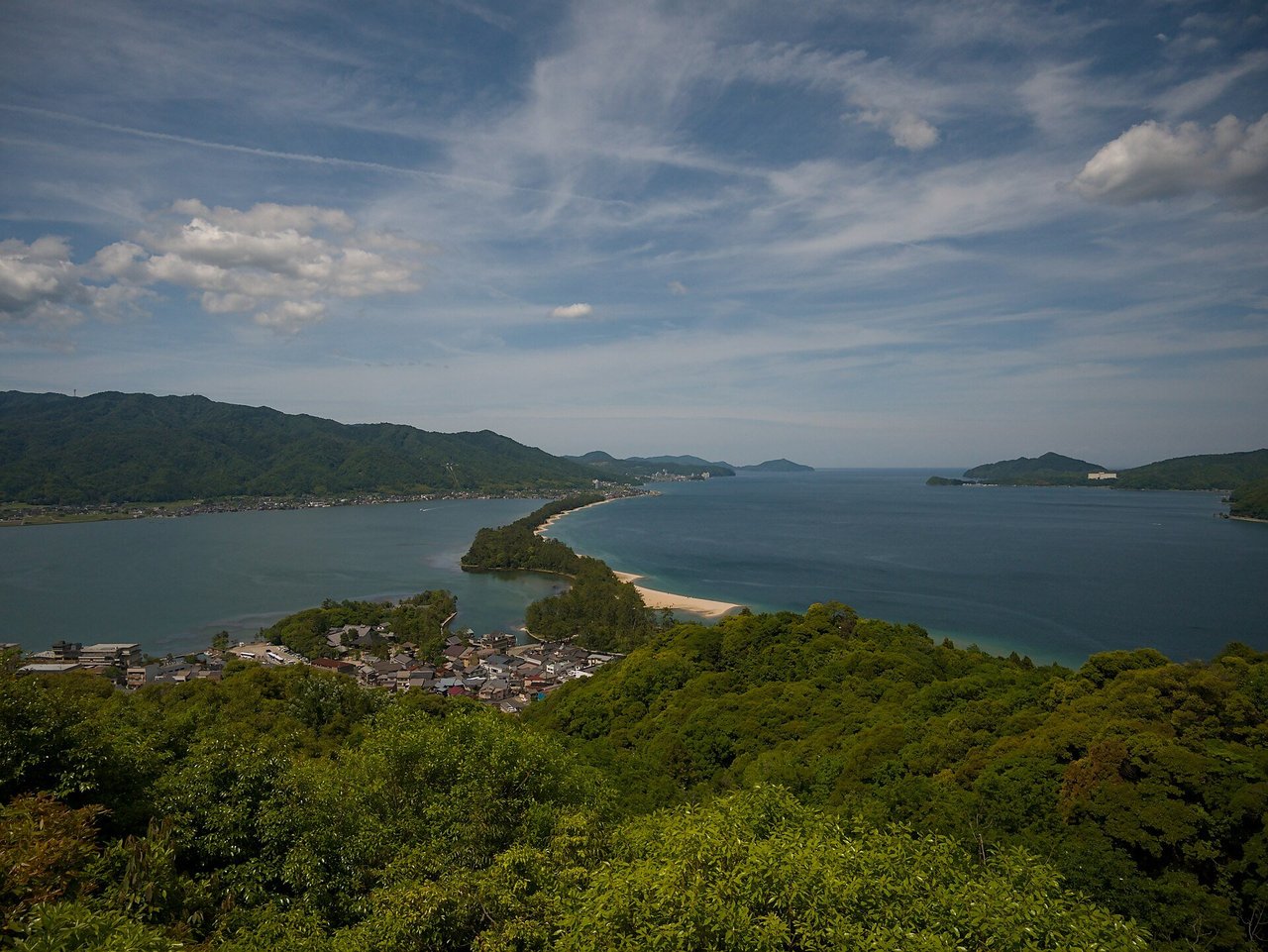
Place 25
Amanohashidate · 天橋立
Landscape · Kyoto, Japan A pine-covered sandbar crosses Miyazu Bay in northern Kyoto Prefecture. One of the Three Views of Japan, it can be explored on foot or seen from elevated viewpoints on either side of the bay.
TimeToJapan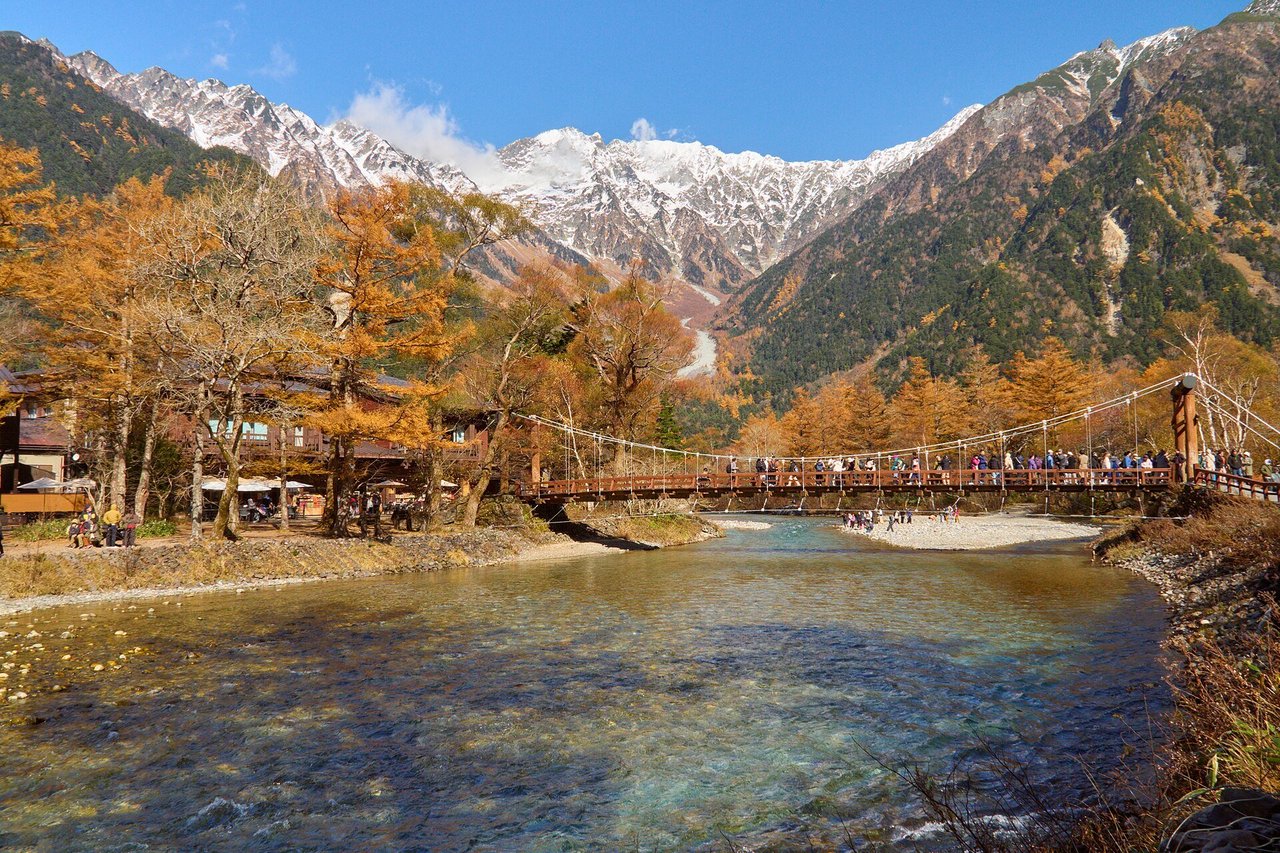
Place 26
Kamikochi · 上高地
Landscape · Nagano, Japan A high valley in the Northern Japan Alps, where the Azusa River flows beneath the Hotaka mountains. Preserved within Chubu-Sangaku National Park, Kamikochi combines river scenery, forests and mountain views and is designated both a Special Place of Scenic Beauty and a Special Natural Monument.
TimeToJapan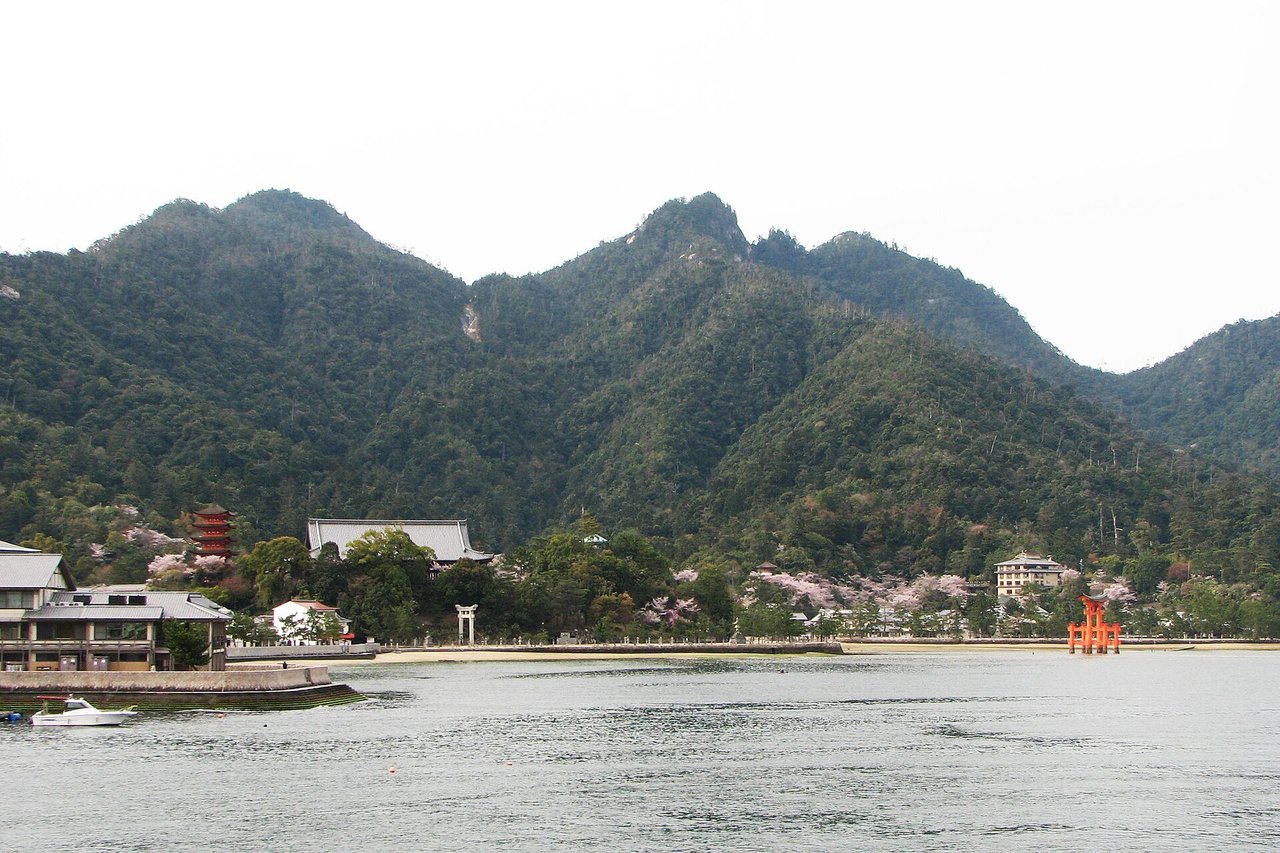
Place 27
Itsukushima (Miyajima) · 厳島
Landscape · Hiroshima, Japan Also called Miyajima, Itsukushima rises from Hiroshima Bay in the Seto Inland Sea. The island's wooded slopes and mountain scenery form the setting for Itsukushima Shrine. It is one of the Three Views of Japan.
TimeToJapan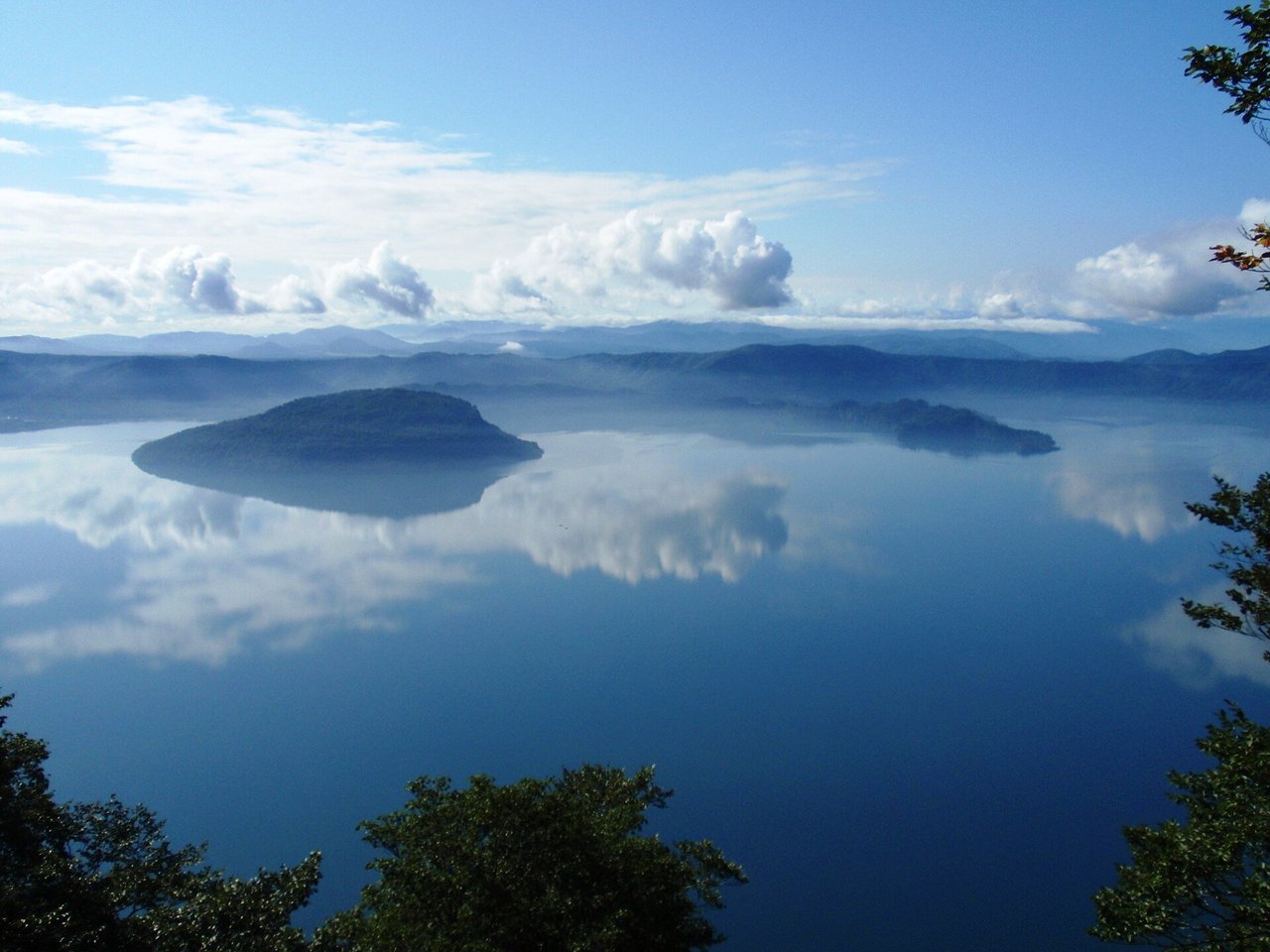
Place 28
Lake Towada and the Oirase Stream · 十和田湖および奥入瀬渓流
Landscape · Aomori / Akita, Japan Lake Towada fills a volcanic caldera on the Aomori-Akita border and drains into the Oirase River. The combined designation links the deep lake with its forested outlet valley, within Towada-Hachimantai National Park.
TimeToJapan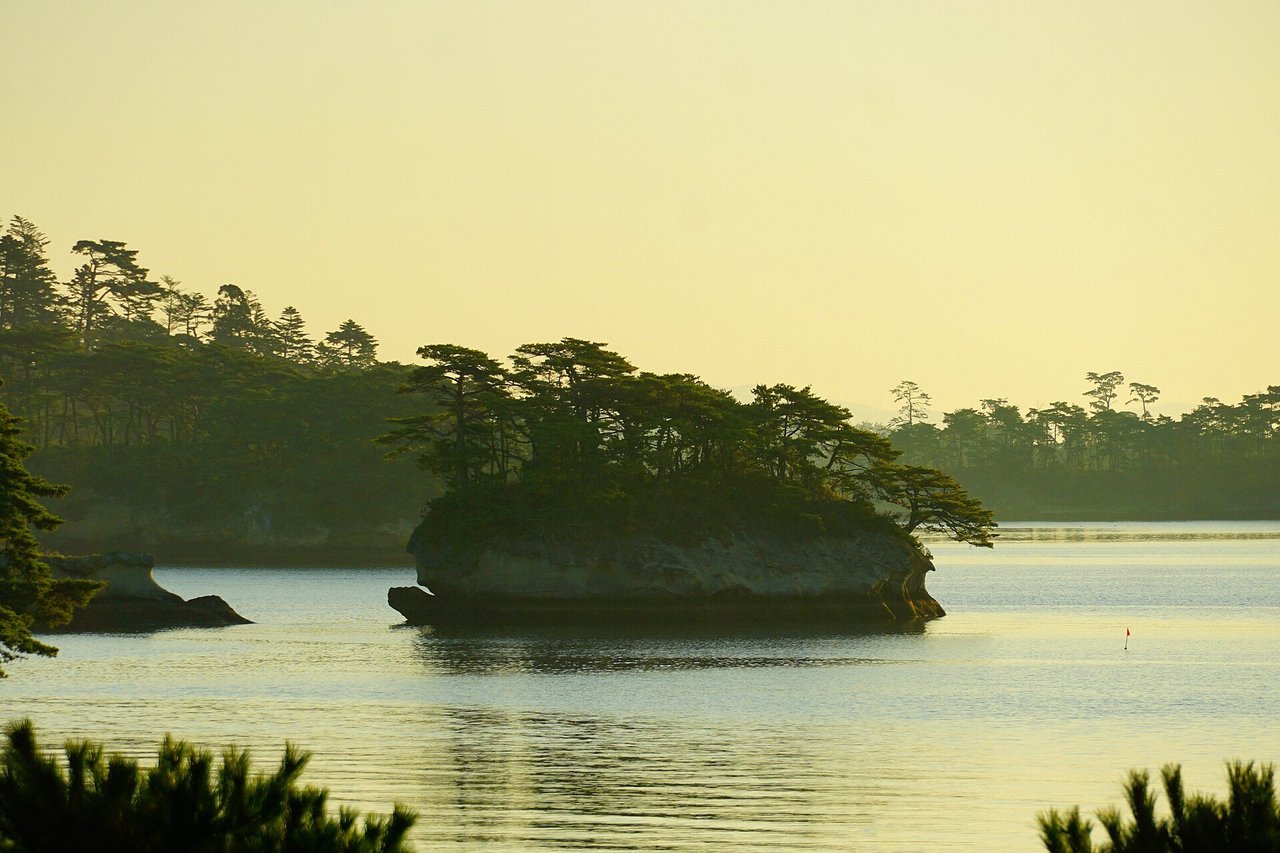
Place 29
Matsushima · 松島
Landscape · Miyagi, Japan Pine-covered islets scattered across Matsushima Bay give this coastal landscape its name. Counted among the Three Views of Japan, the bay can be appreciated from shore, surrounding viewpoints and boats travelling among the islands.
TimeToJapan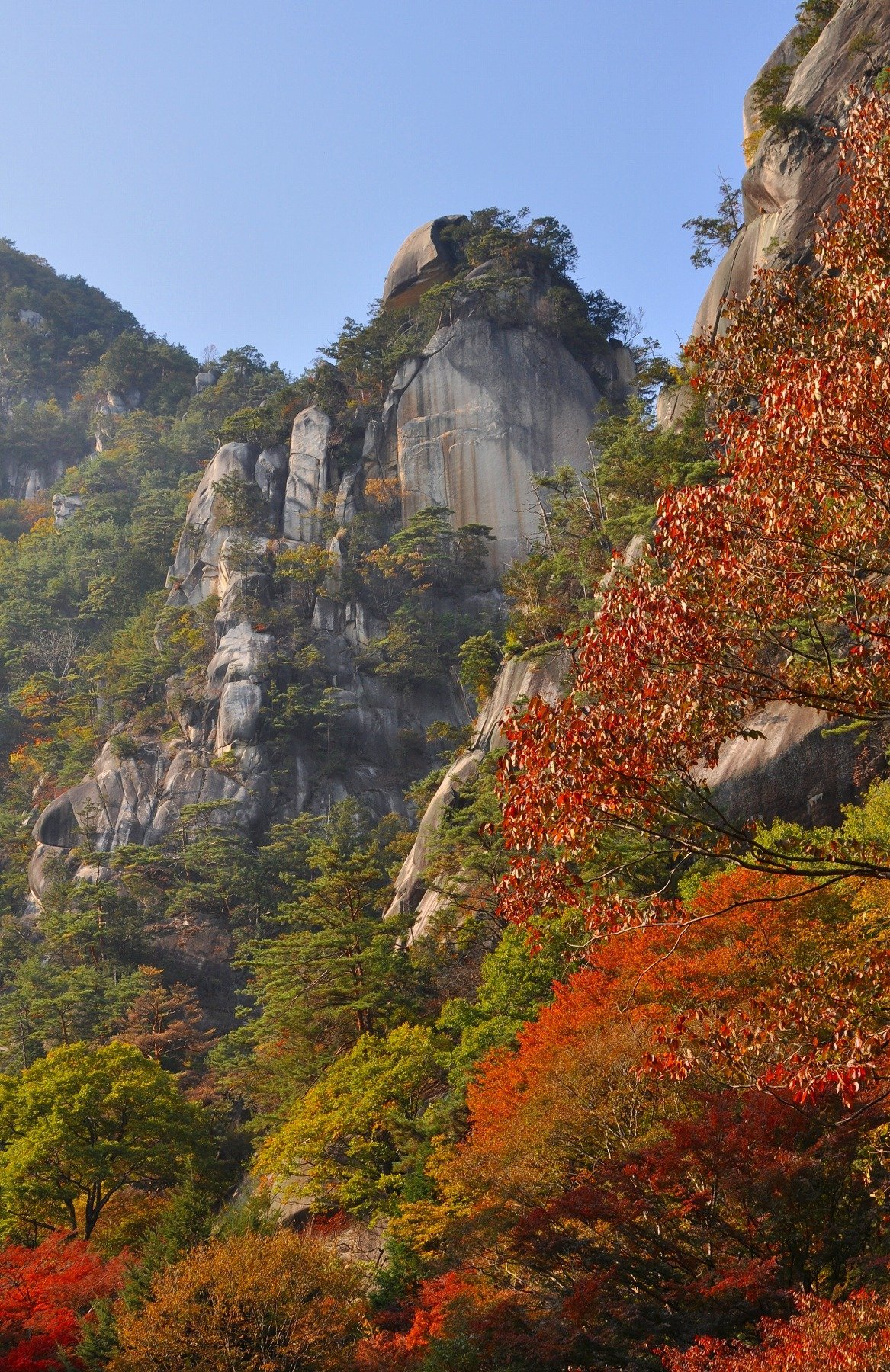
Place 30
Mitake Shosenkyo Gorge · 御嶽昇仙峡
Landscape · Yamanashi, Japan Granite cliffs and sculpted rock formations rise above the river north of Kofu. Walking routes connect the gorge with Sengataki Falls, while Kakuenpo forms a prominent rocky landmark. The landscape changes with spring flowers, summer greenery, autumn leaves and winter snow.
TimeToJapan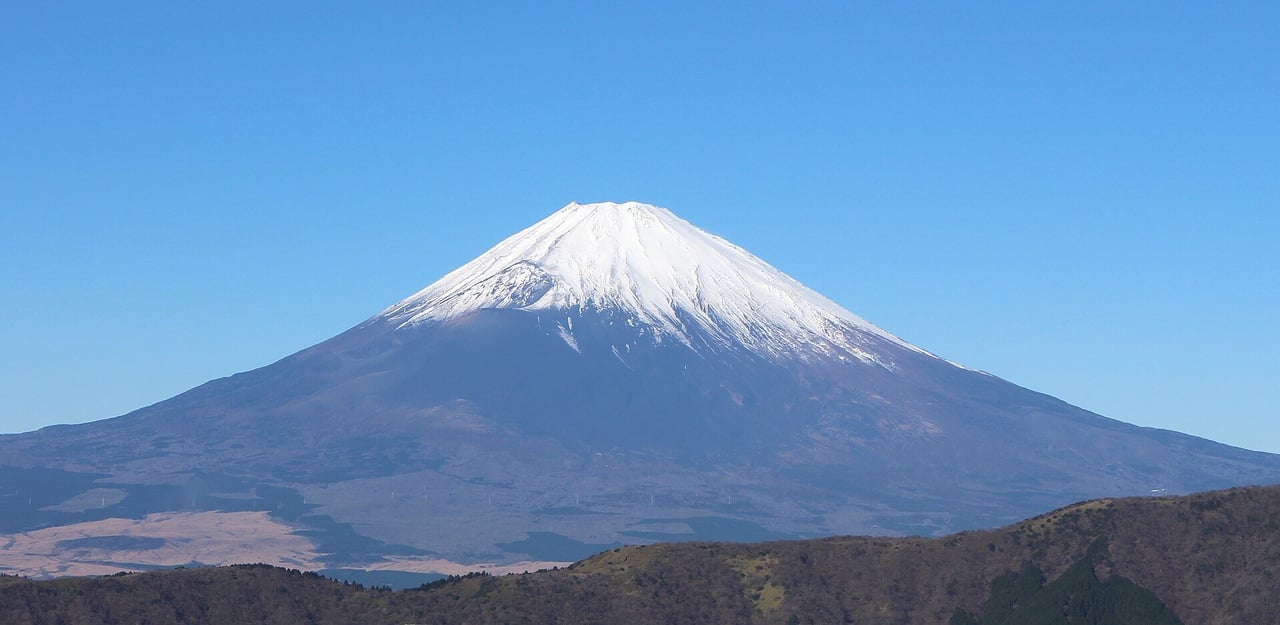
Place 31
Mount Fuji · 富士山
Landscape · Yamanashi / Shizuoka, Japan Japan's highest mountain is an active volcano shared by Yamanashi and Shizuoka. Its symmetrical cone has shaped religious practice, art and travel for centuries. The mountain and associated sacred places are inscribed on the World Heritage List as a cultural property.
TimeToJapan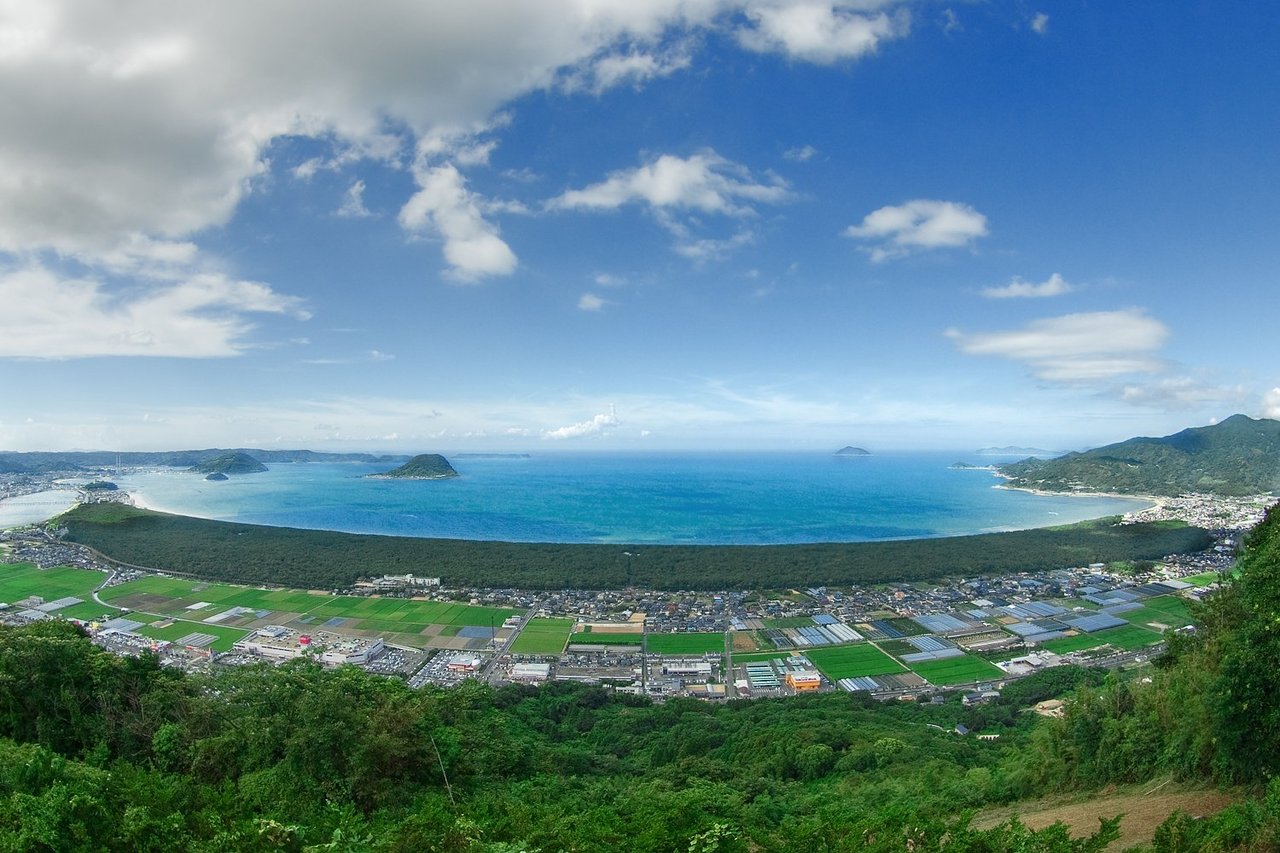
Place 32
Niji-no-Matsubara · 虹の松原
Landscape · Saga, Japan A broad belt of Japanese black pines follows the shore of Karatsu Bay. Originally planted as protection against wind and drifting sand, the forest became one of Japan's celebrated pine groves and forms part of Genkai Quasi-National Park.
TimeToJapan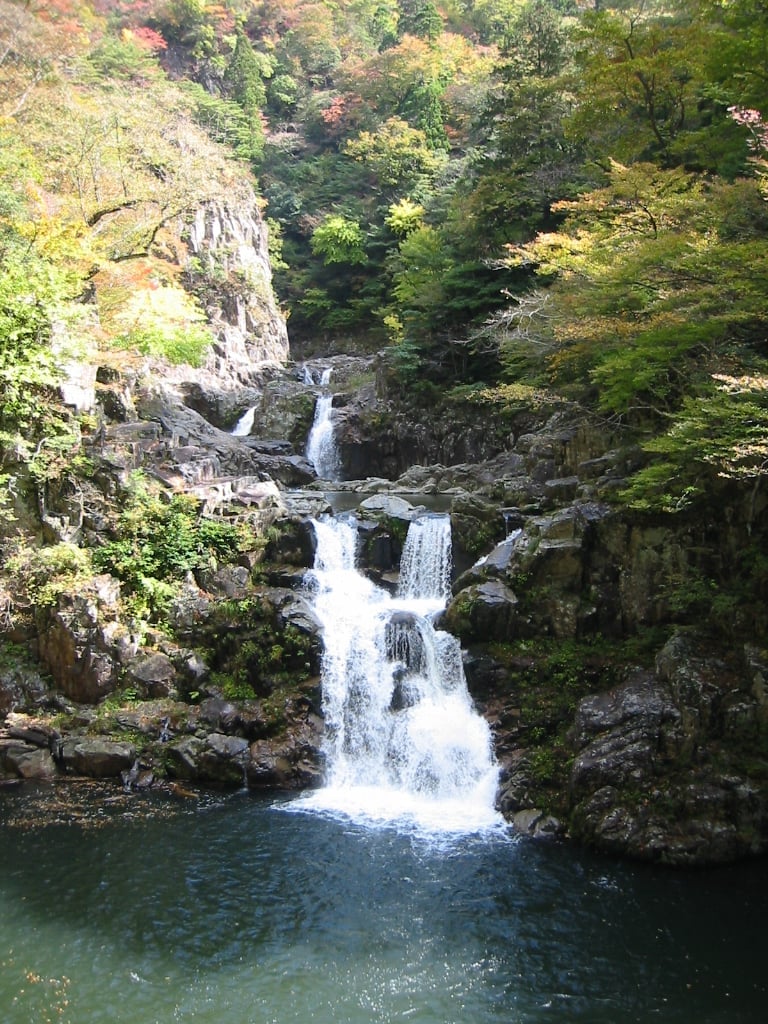
Place 33
Sandankyo Gorge · 三段峡
Landscape · Hiroshima, Japan The Shibaki River runs through this long ravine in the mountains of Hiroshima Prefecture. Sandankyo is known for its wooded cliffs and autumn foliage and lies within Nishi-Chugoku Sanchi Quasi-National Park.
TimeToJapan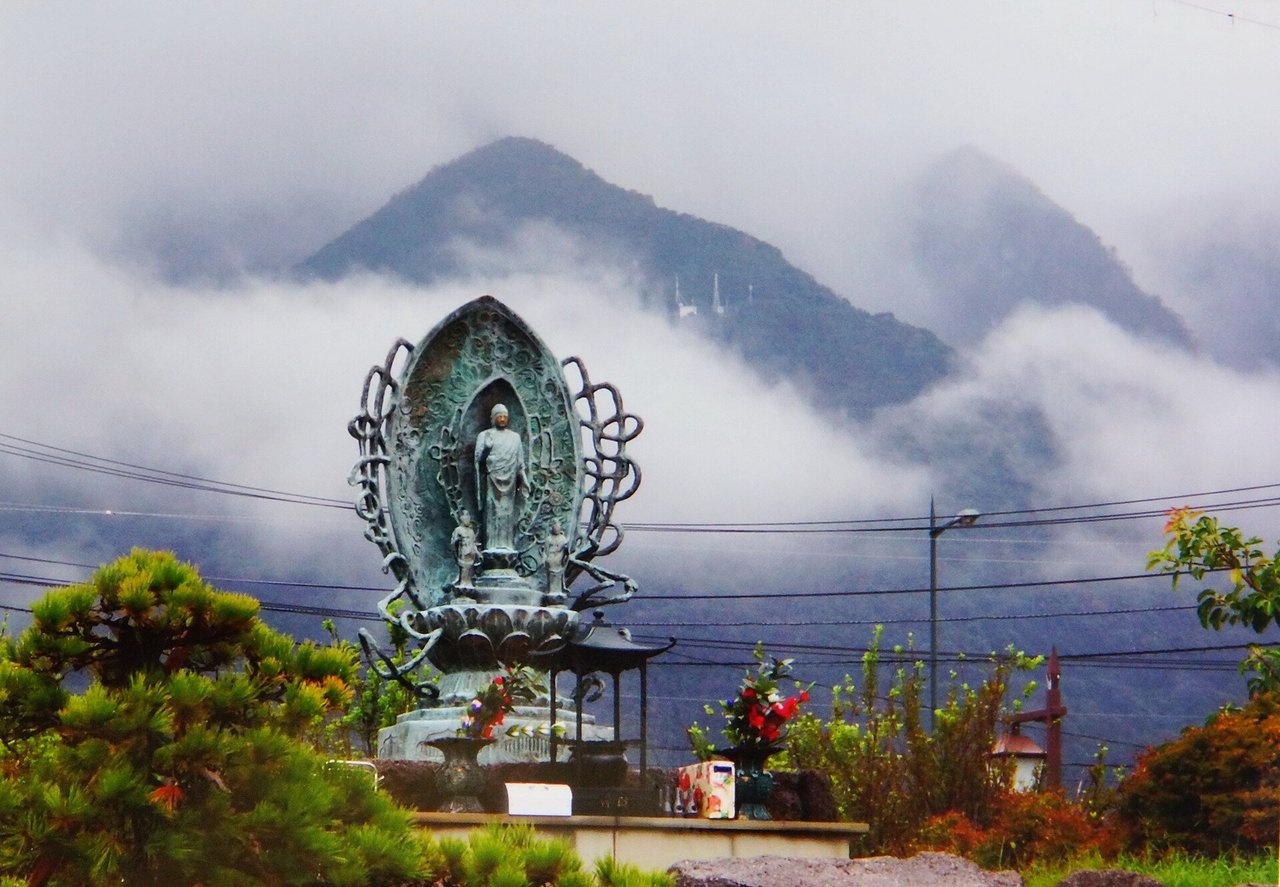
Place 34
Unzen · 温泉岳
Landscape · Nagasaki, Japan A volcanic mountain group occupies the centre of Nagasaki's Shimabara Peninsula. Overlapping peaks, hot springs and volcanic landforms define the landscape. The Heisei Shinzan lava dome formed during the eruptions of the 1990s; the scenic designation retains the historic written name 温泉岳.
TimeToJapan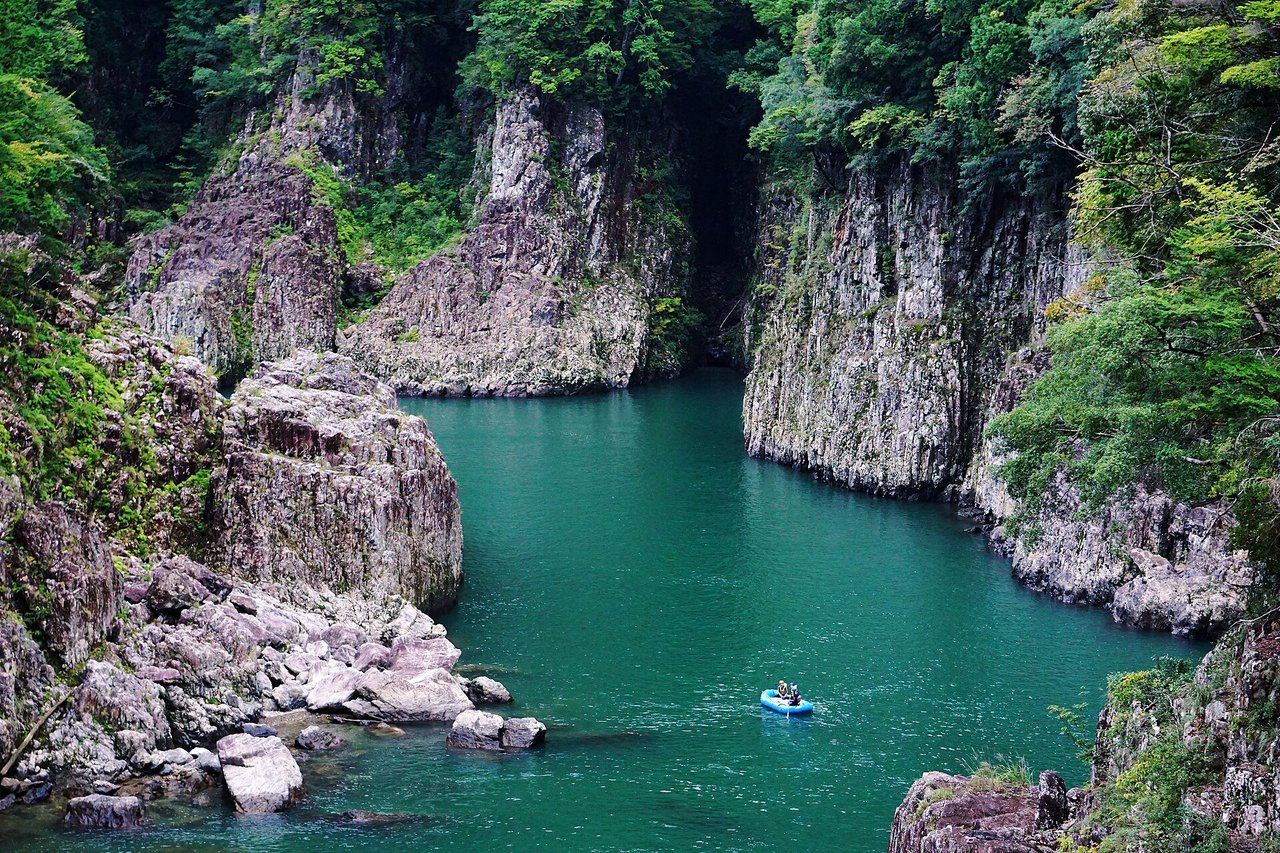
Place 35
Dorohatcho Gorge · 瀞八丁
Landscape · Nara / Wakayama / Mie, Japan Dorohatcho is the celebrated lower section of the Dorokyo gorge system along the Kitayama River. Deep water and sheer, erosion-shaped rock walls define this river landscape where Nara, Wakayama and Mie meet, within Yoshino-Kumano National Park.
TimeToJapan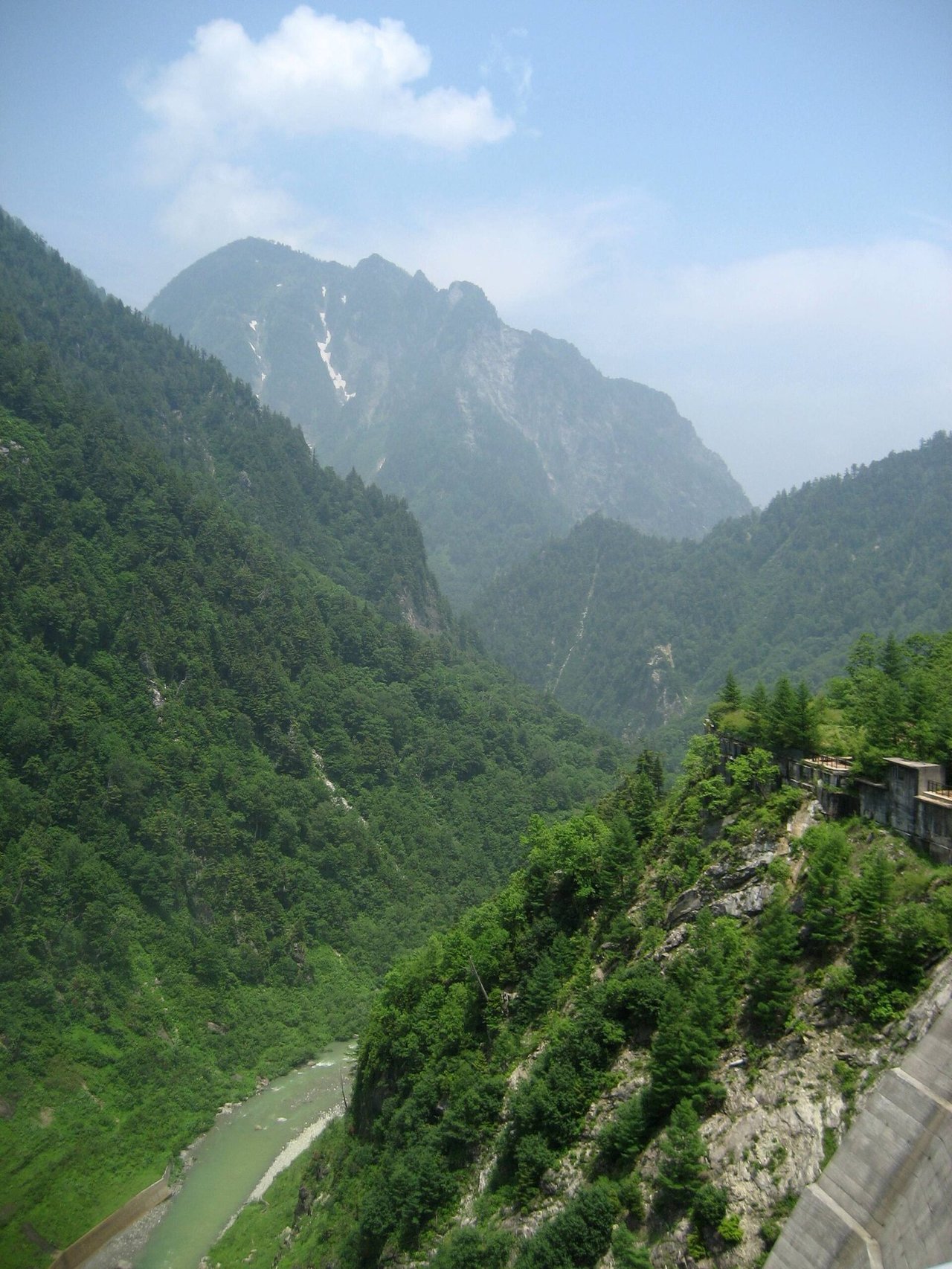
Place 36
Kurobe Gorge · 黒部峡谷 附 猿飛並びに奥鐘山
Landscape · Toyama, Japan The Kurobe River has cut a deep, granite-sided valley through the Northern Japan Alps. This mountain landscape includes the Sarutobi narrows and Mount Okukane named in the designation, with the Kurobe Gorge Railway providing a route into the valley.
TimeToJapan